Mission Archive
21 missions found
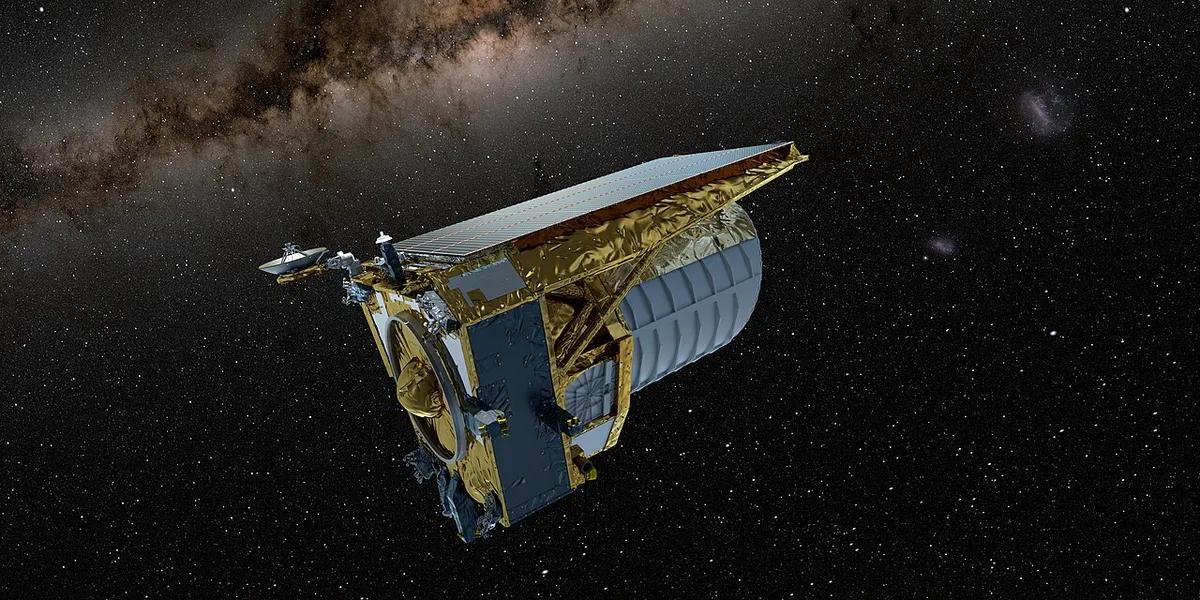
Euclid
ActiveESA · 2023
Sun–Earth L2
An ESA mission mapping the shapes and distances of billions of galaxies across a third of the sky, to study dark matter and dark energy.
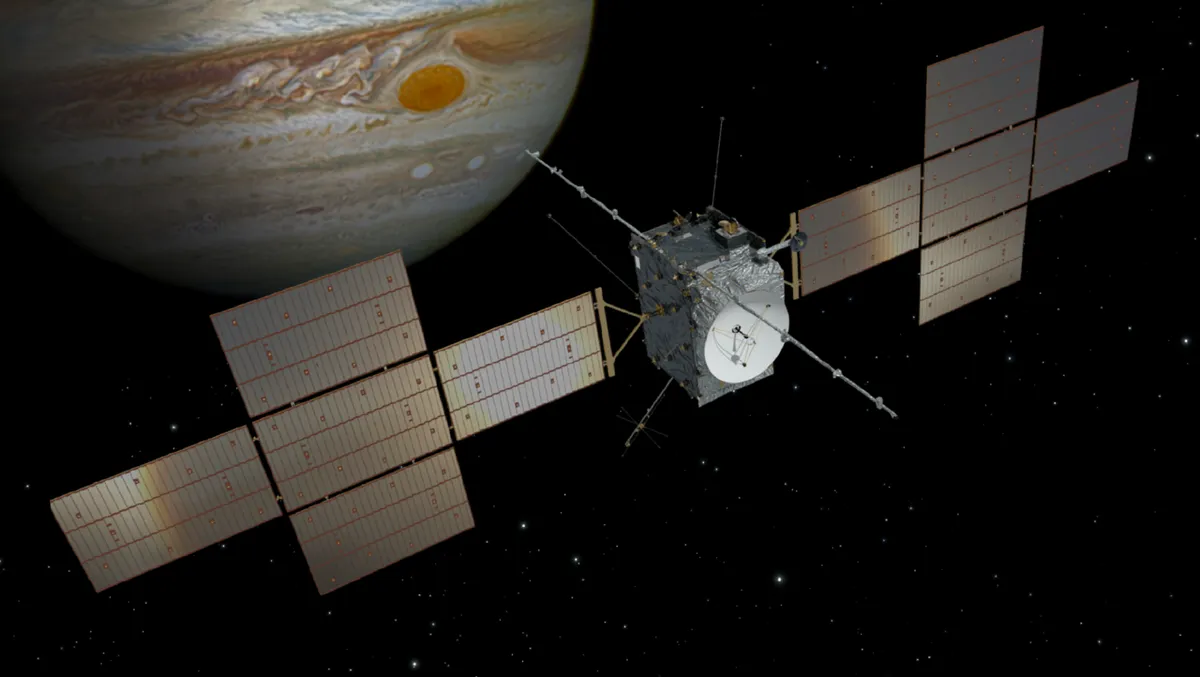
JUICE
ActiveESA · 2023
Jupiter, Ganymede
An ESA mission on its way to Jupiter to study three of its icy moons, Ganymede, Callisto and Europa. It is planned to become the first spacecraft to orbit a moon other than our own.
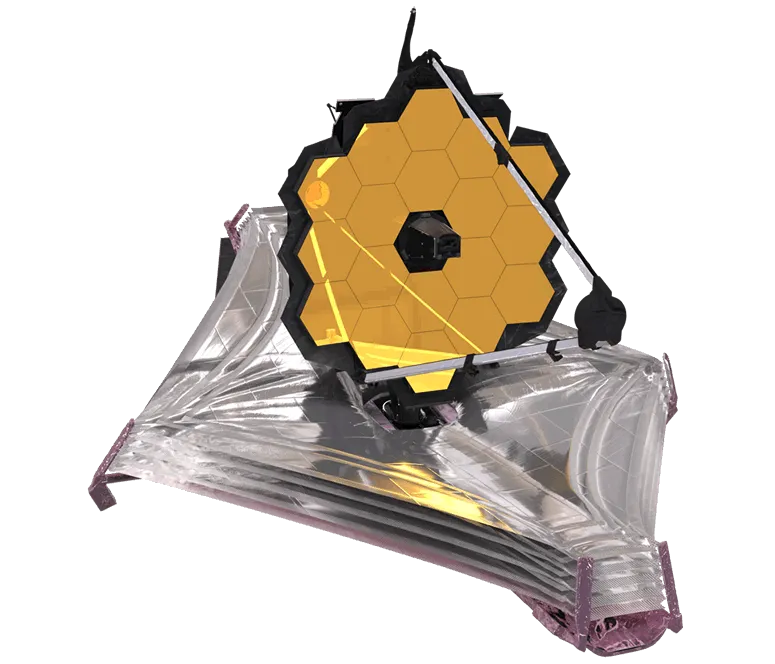
James Webb Space Telescope
ActiveNASA/ESA/CSA · 2021
Sun–Earth L2
Infrared space telescope located at the Sun-Earth L2 point.
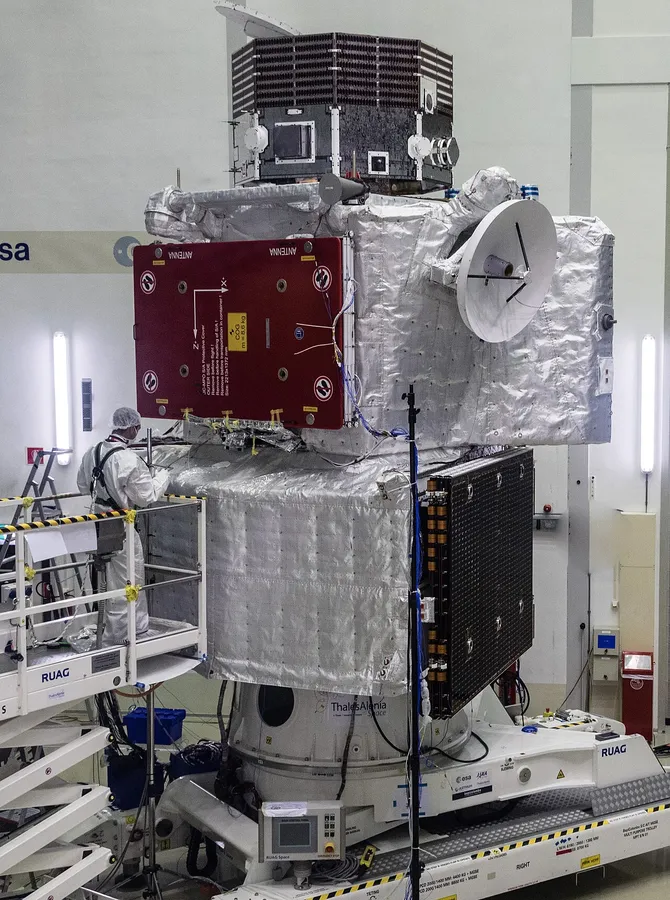
BepiColombo
ActiveESA/JAXA · 2018
Mercury
A joint ESA and JAXA mission carrying two orbiters to Mercury, on a cruise of eight years with flybys of Earth, Venus and Mercury itself.
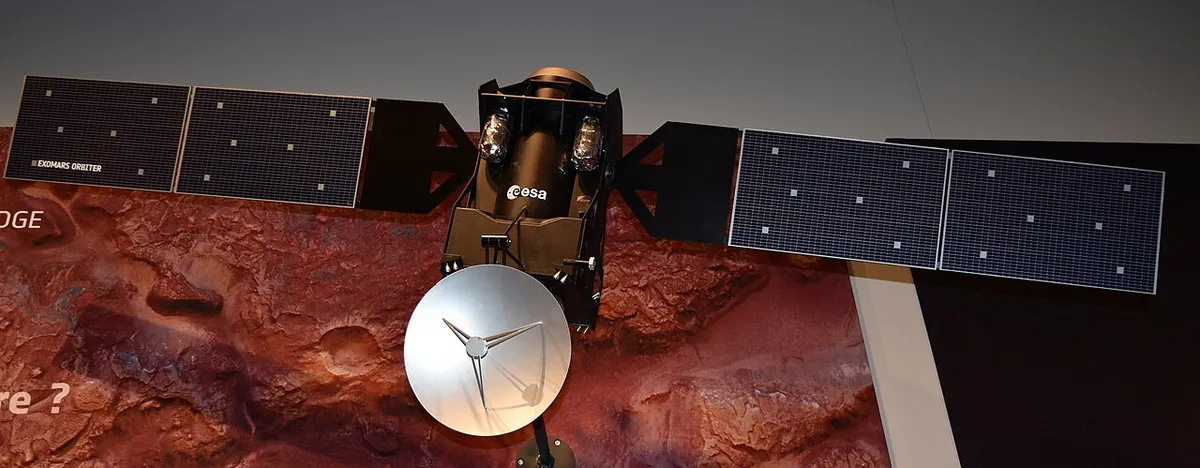
ExoMars Trace Gas Orbiter
ActiveESA/Roscosmos · 2016
Mars
A joint ESA and Roscosmos mission to map trace gases such as methane in the Martian atmosphere. It also carried the Schiaparelli landing demonstrator, which crashed on arrival.
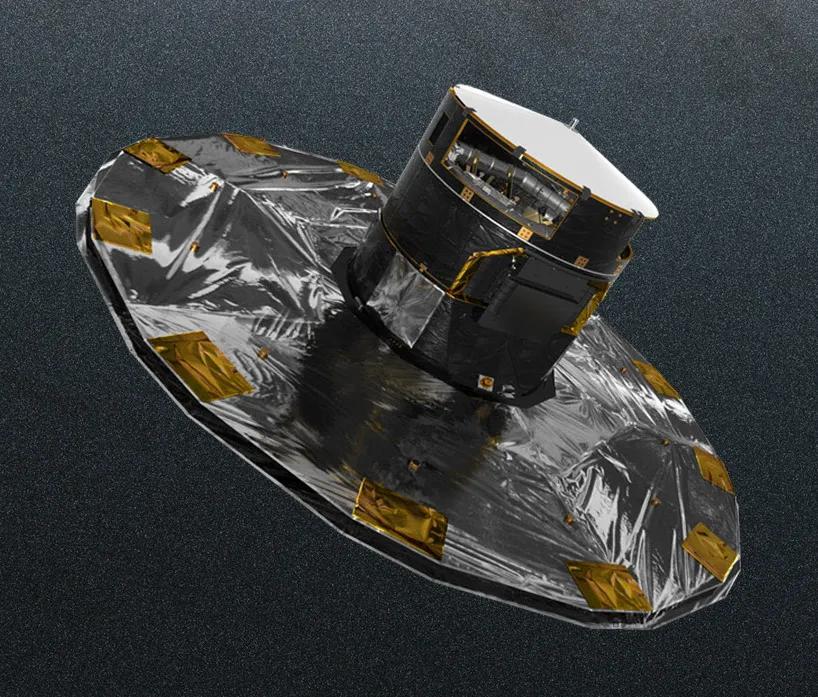
Gaia
CompletedESA · 2013
Sun–Earth L2
An ESA mission that measured the positions, distances and motions of nearly two billion stars to build the most precise three-dimensional map of the Milky Way.
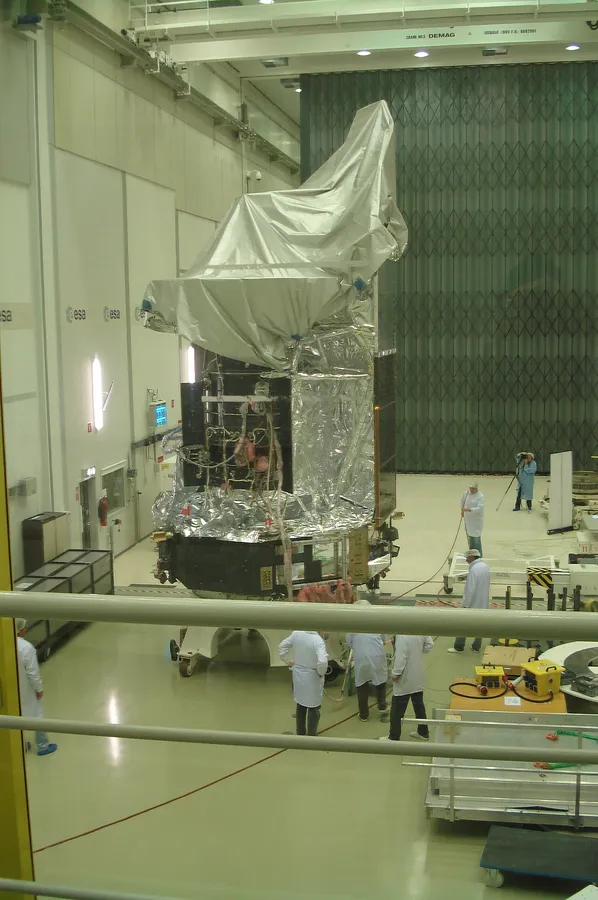
Herschel
CompletedESA · 2009
Sun–Earth L2
ESA's far-infrared observatory, which carried the largest mirror flown in space at the time. It studied how stars and galaxies form from cold gas and dust.
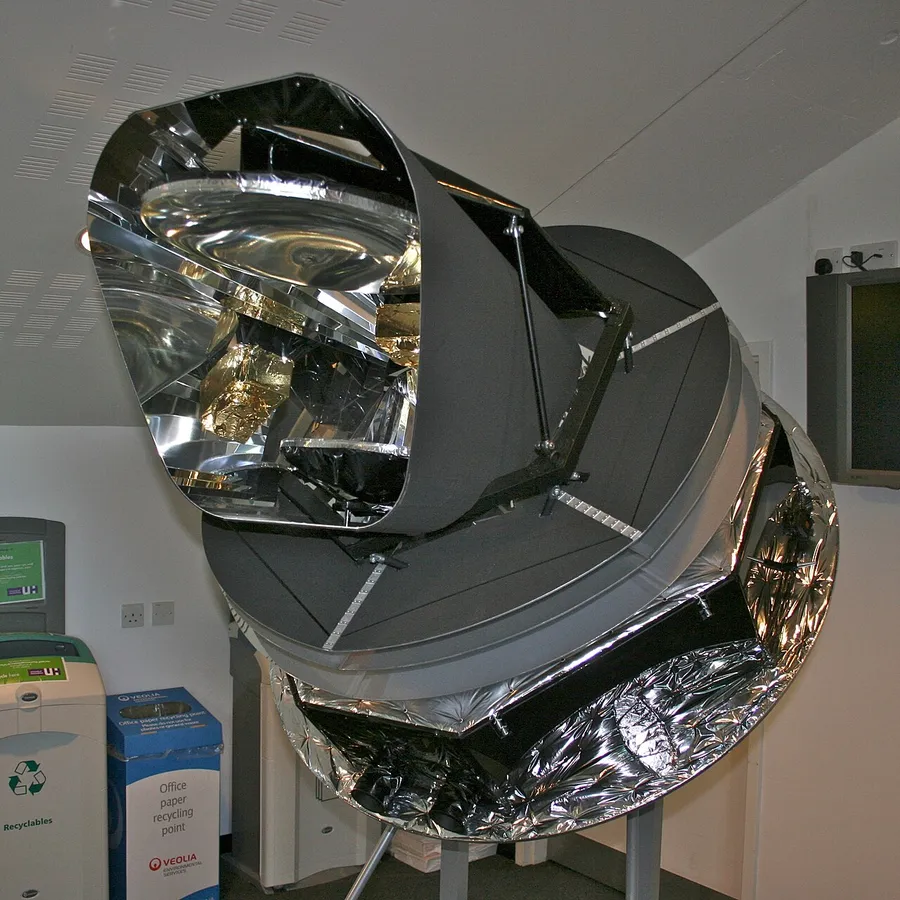
Planck
CompletedESA · 2009
Sun–Earth L2
An ESA mission that mapped the cosmic microwave background in greater detail than any before it, giving the most precise measurements of the age and contents of the Universe.
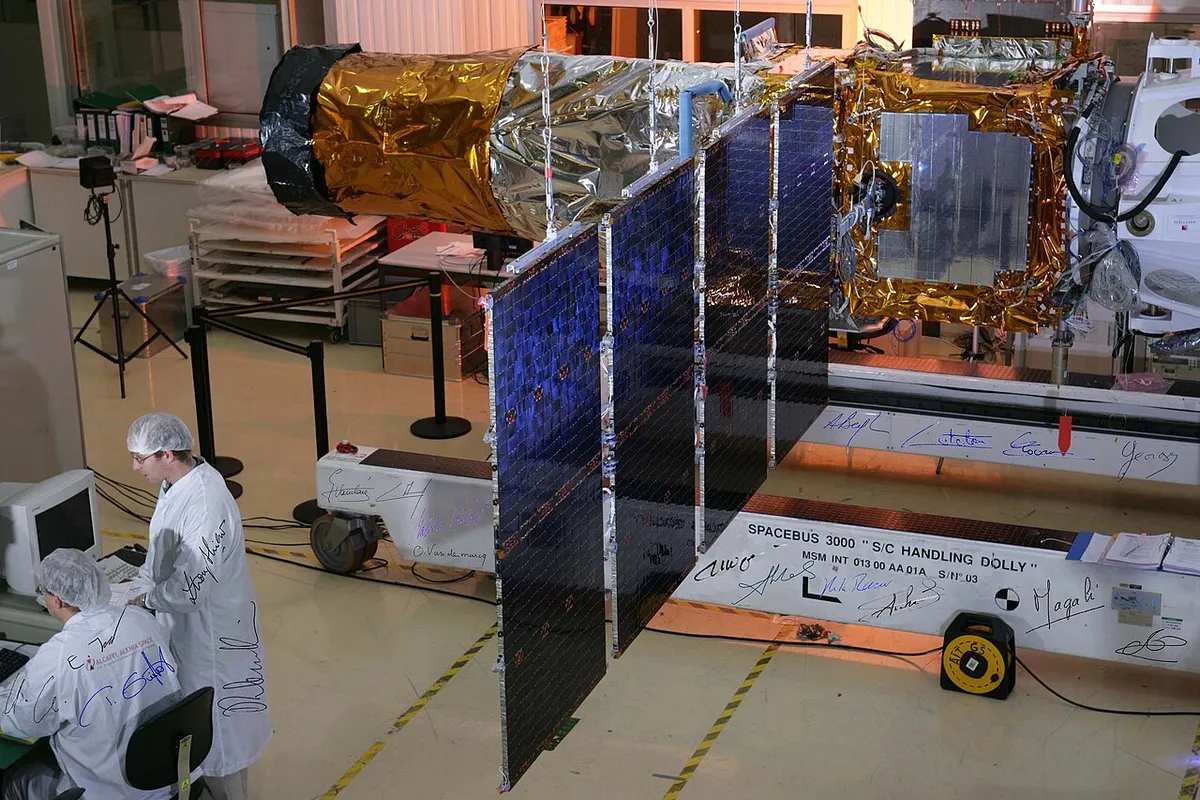
CoRoT
CompletedESA/CNES · 2006
Low Earth orbit
A French-led mission that was the first built to find planets by the dimming of their stars, and that also studied the vibrations of stars to probe their interiors.
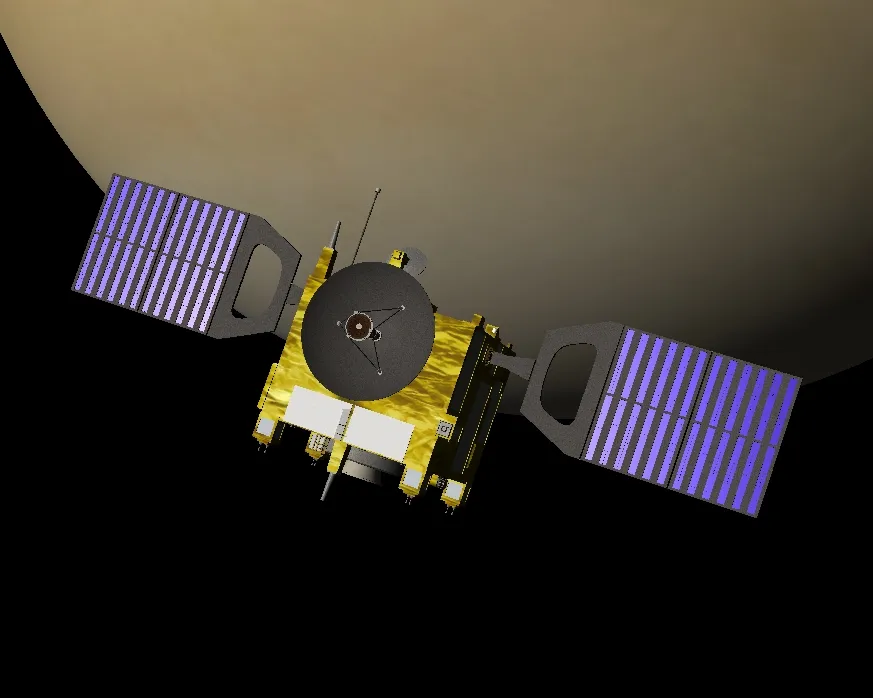
Venus Express
CompletedESA · 2005
Venus
ESA's first mission to Venus, which studied the planet's atmosphere and clouds from orbit for eight years, far beyond its planned 500 days.
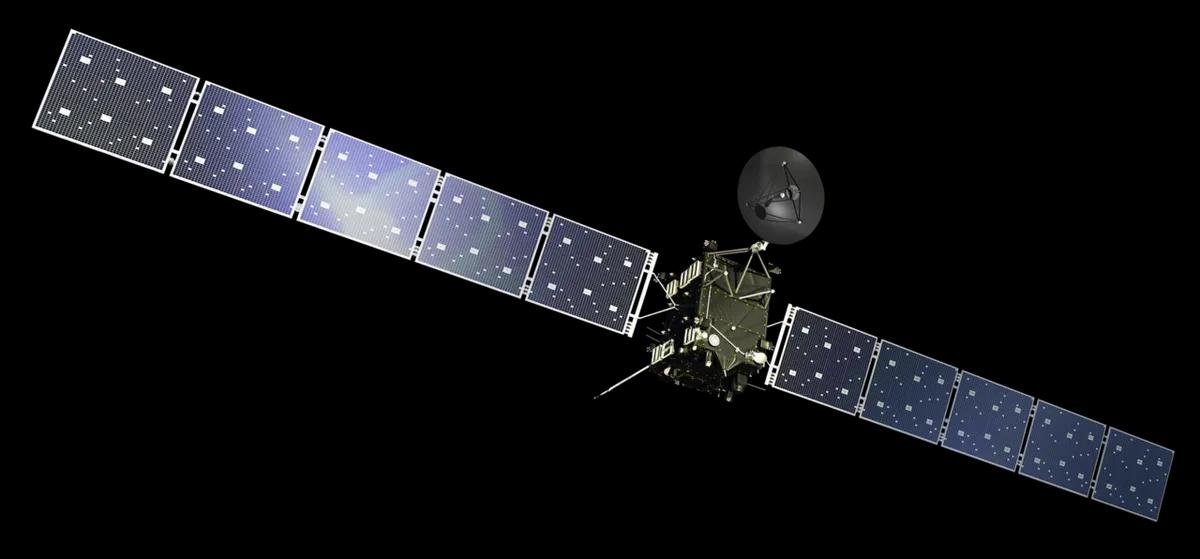
Rosetta
CompletedESA · 2004
67P/Churyumov–Gerasimenko, Šteins, Lutetia
An ESA mission that became the first to orbit a comet, following 67P/Churyumov–Gerasimenko for two years and delivering the Philae lander to its surface.
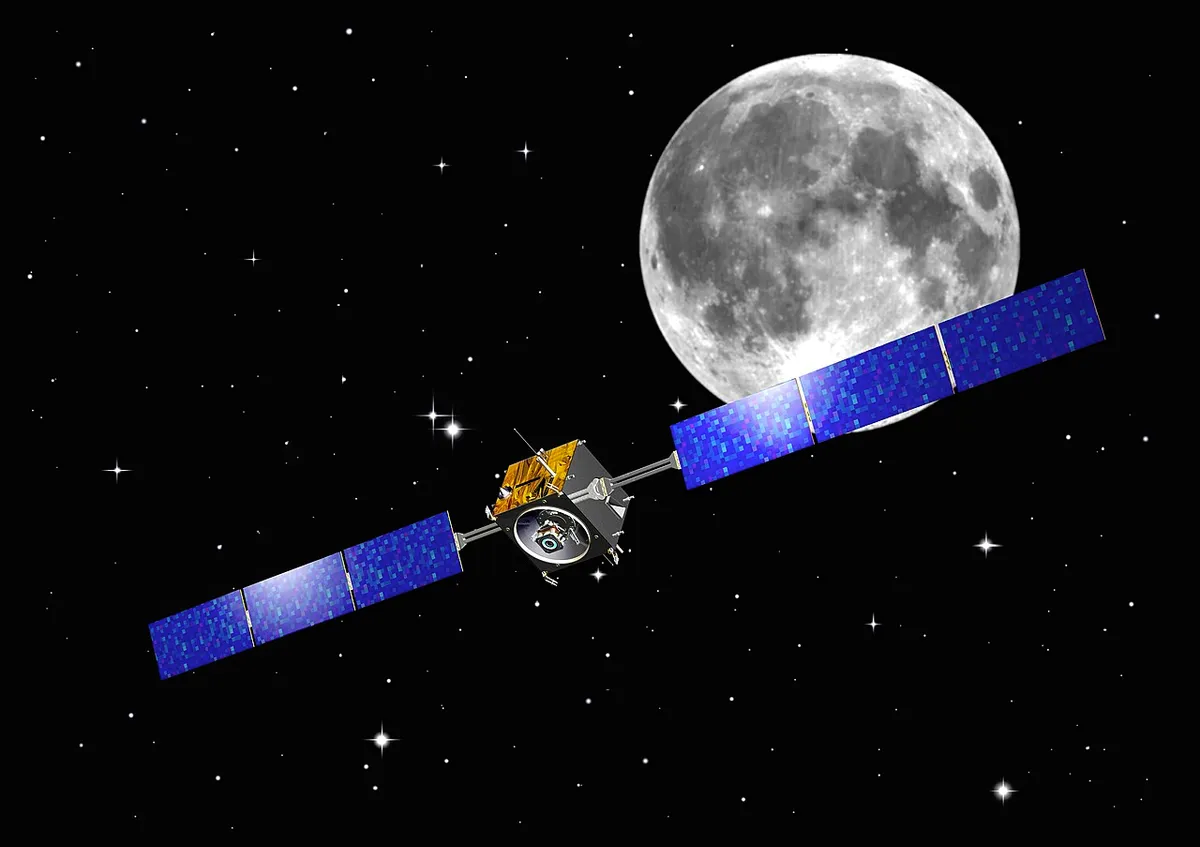
SMART-1
CompletedESA · 2003
Moon
ESA's first mission to the Moon, built to test solar-electric propulsion. It spiralled out from Earth orbit over 13 months and then mapped the lunar surface.
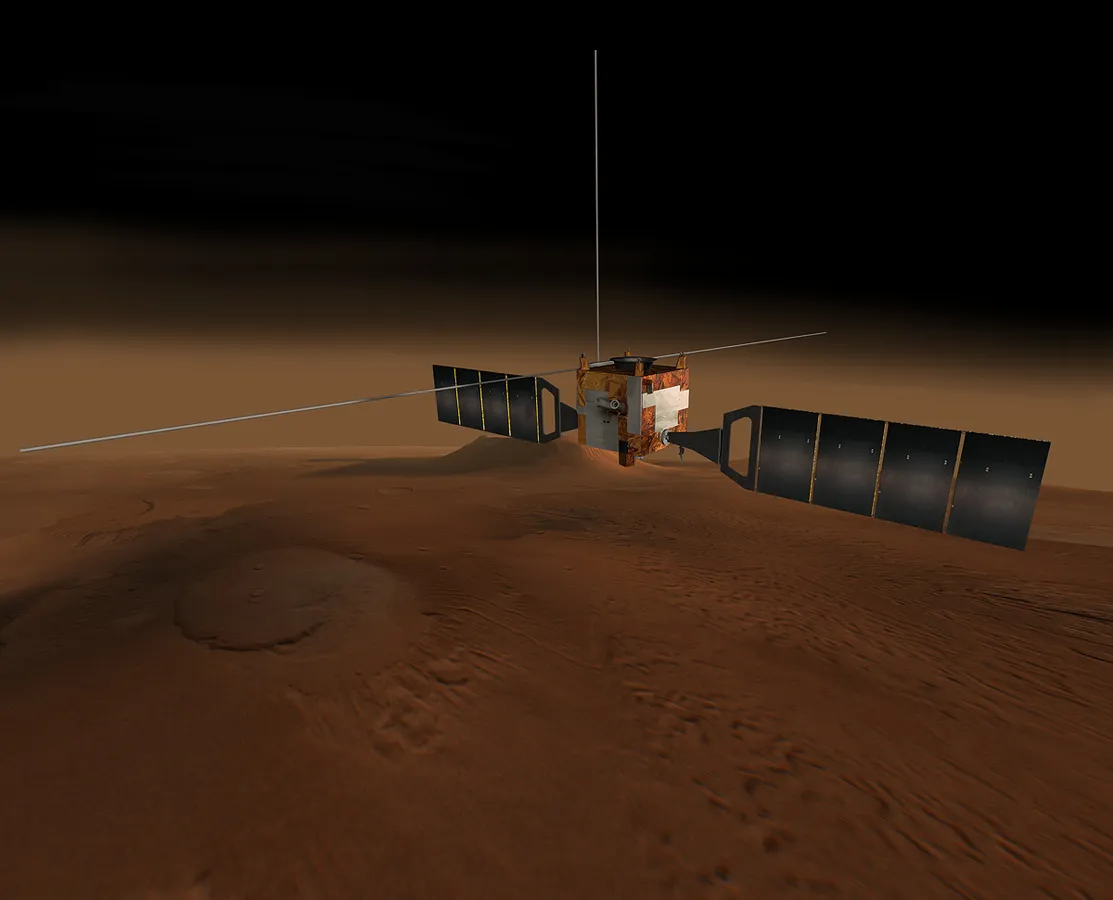
Mars Express
ActiveESA · 2003
Mars
ESA's first mission to another planet. Its orbiter has studied Mars since 2003, finding water ice at the south pole and signs of liquid water beneath it.
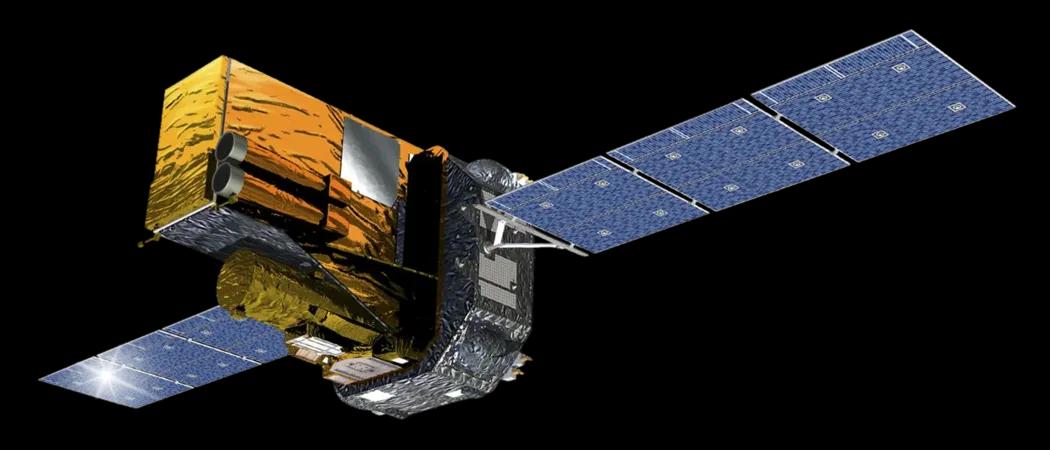
INTEGRAL
CompletedESA · 2002
High Earth orbit
ESA's gamma-ray observatory, which observed for more than 22 years. It studied black holes, neutron stars and the gamma-ray glow of the Milky Way, and helped pinpoint the 2017 neutron-star merger first detected in gravitational waves.
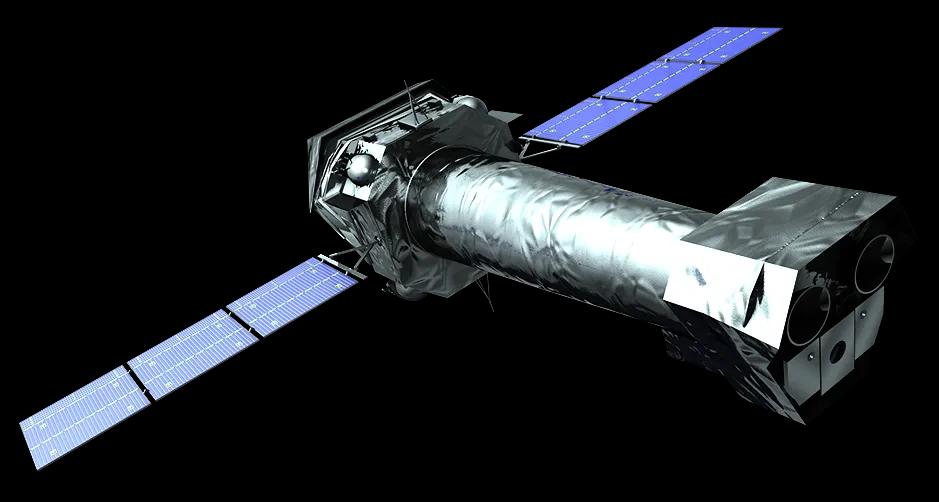
XMM-Newton
ActiveESA · 1999
High Earth orbit
ESA's X-ray observatory, whose three telescopes give it an unusually large collecting area for studying faint sources, from comets to distant galaxy clusters.
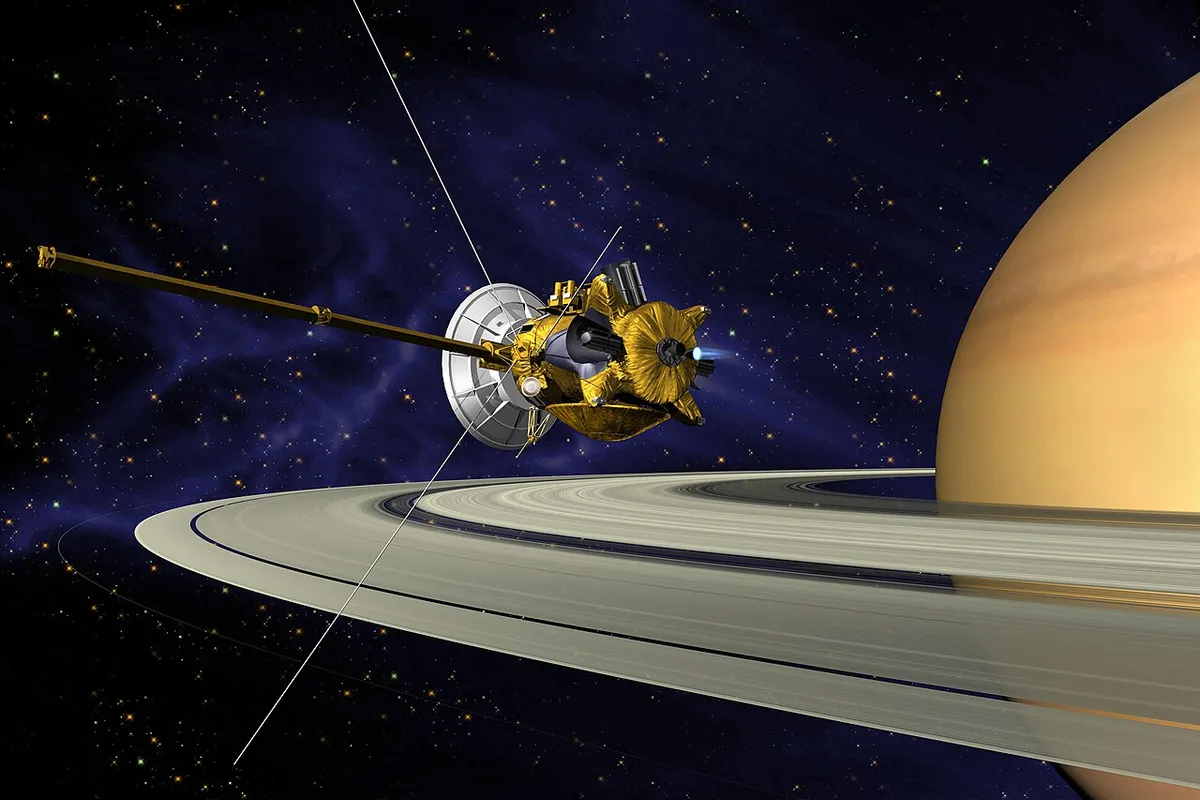
Cassini–Huygens
CompletedNASA/ESA/ASI · 1997
Jupiter, Saturn, Titan
A joint NASA, ESA and Italian Space Agency mission that orbited Saturn for 13 years and landed the Huygens probe on Titan. It ended with a planned dive into Saturn's atmosphere.

ISO
CompletedESA · 1995
High Earth orbit
ESA's Infrared Space Observatory, which made more than 26,000 observations and found water vapour in star-forming clouds, around old stars and in the atmospheres of the giant planets.
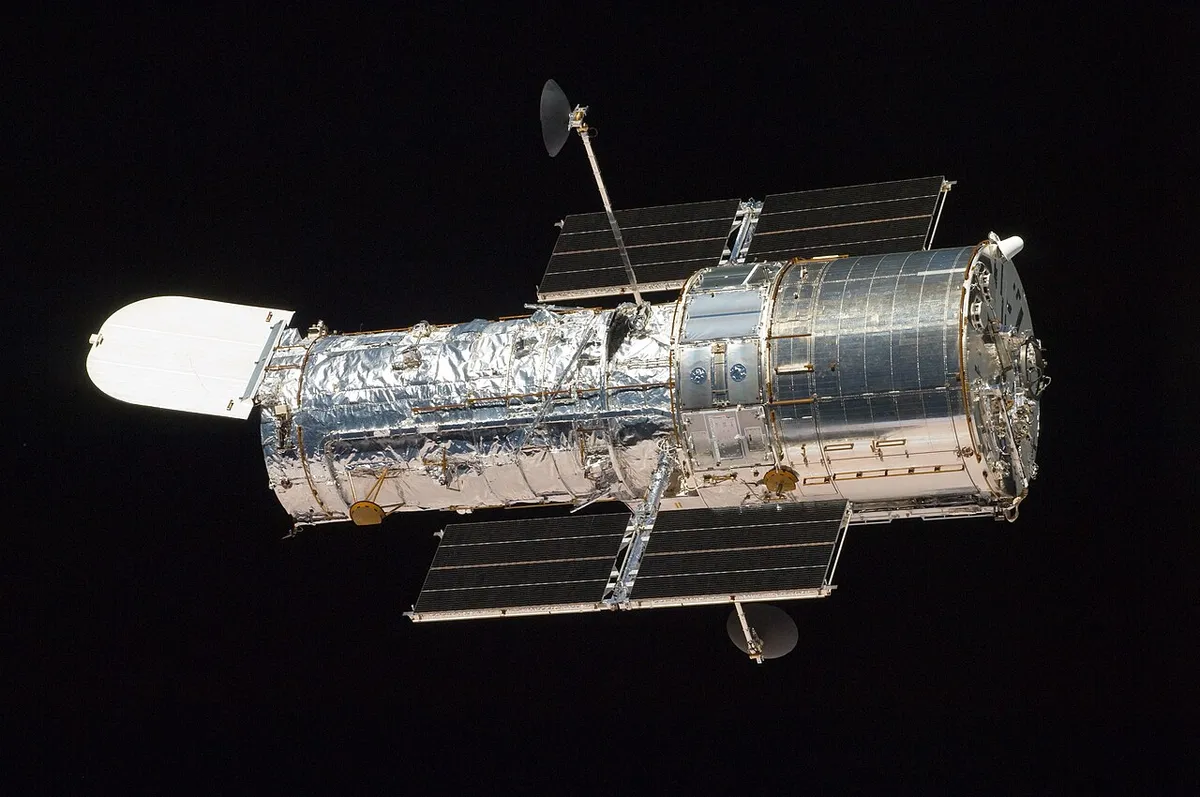
Hubble Space Telescope
ActiveNASA/ESA · 1990
Low Earth orbit
Space telescope capable of observing the universe in ultraviolet, visible, and infrared light.
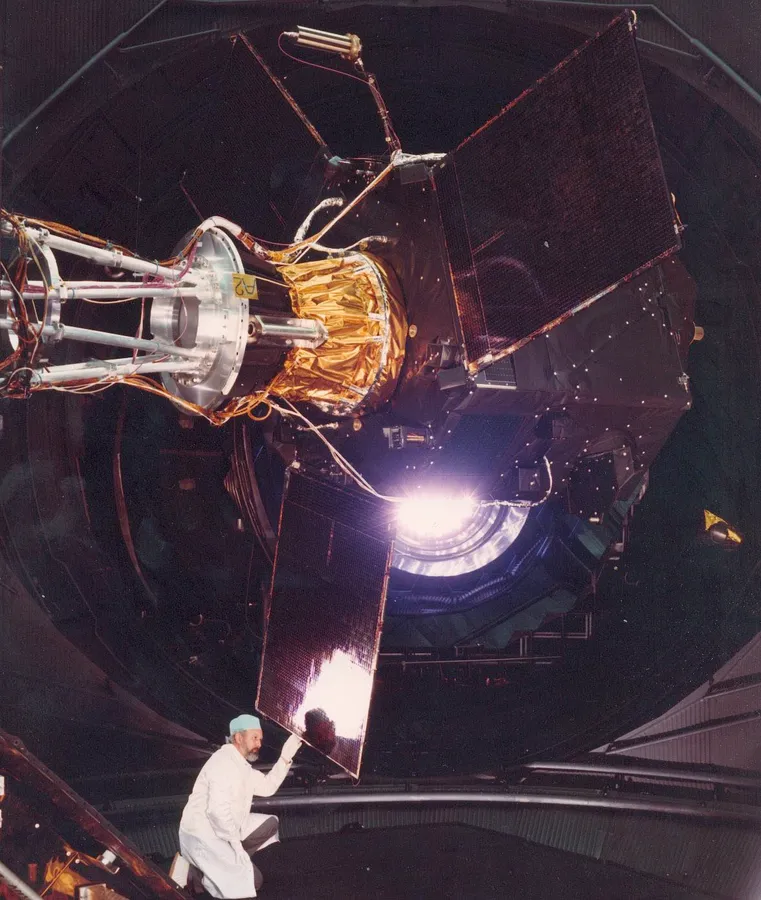
Hipparcos
CompletedESA · 1989
High Earth orbit
The first space mission devoted to measuring the positions, distances and motions of stars. It was stranded in the wrong orbit by a motor failure but still measured about 118,000 stars with high precision.
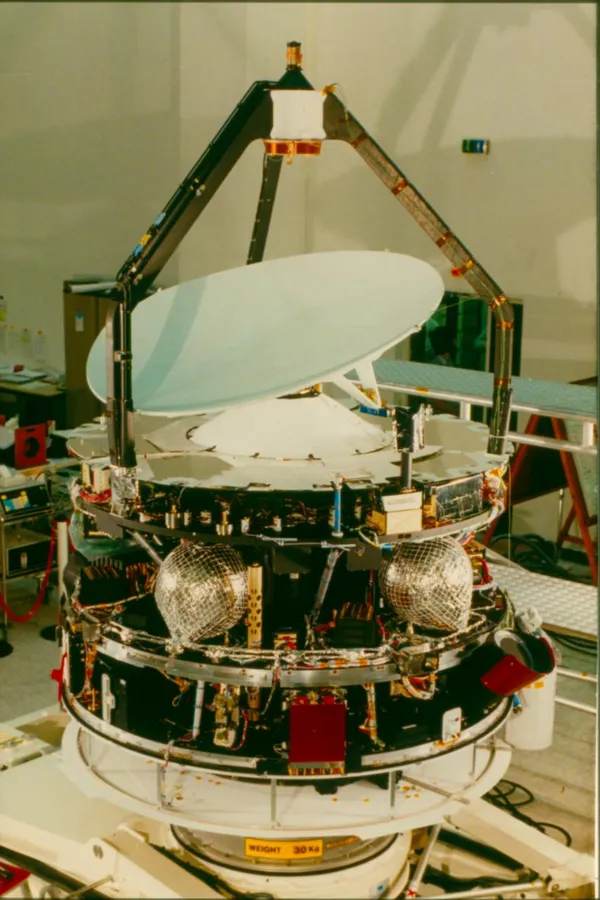
Giotto
CompletedESA · 1985
Halley's Comet, Grigg–Skjellerup
ESA's first deep-space mission, which passed within 600 km of the nucleus of Halley's Comet in 1986 and returned the first close-up images of a comet's core. It later flew past a second comet, Grigg–Skjellerup.
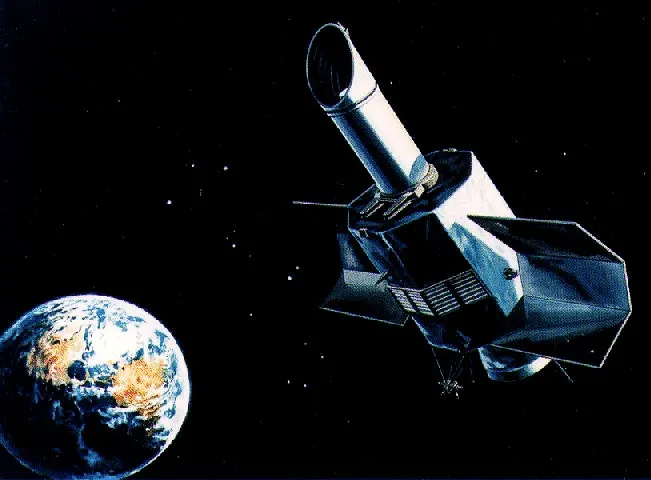
IUE
CompletedNASA/ESA/SERC · 1978
High Earth orbit
The International Ultraviolet Explorer, run jointly by NASA, ESA and the United Kingdom. Planned for three years, it worked for nearly nineteen and was the first space telescope astronomers could operate in real time.