Mission Archive
16 missions found
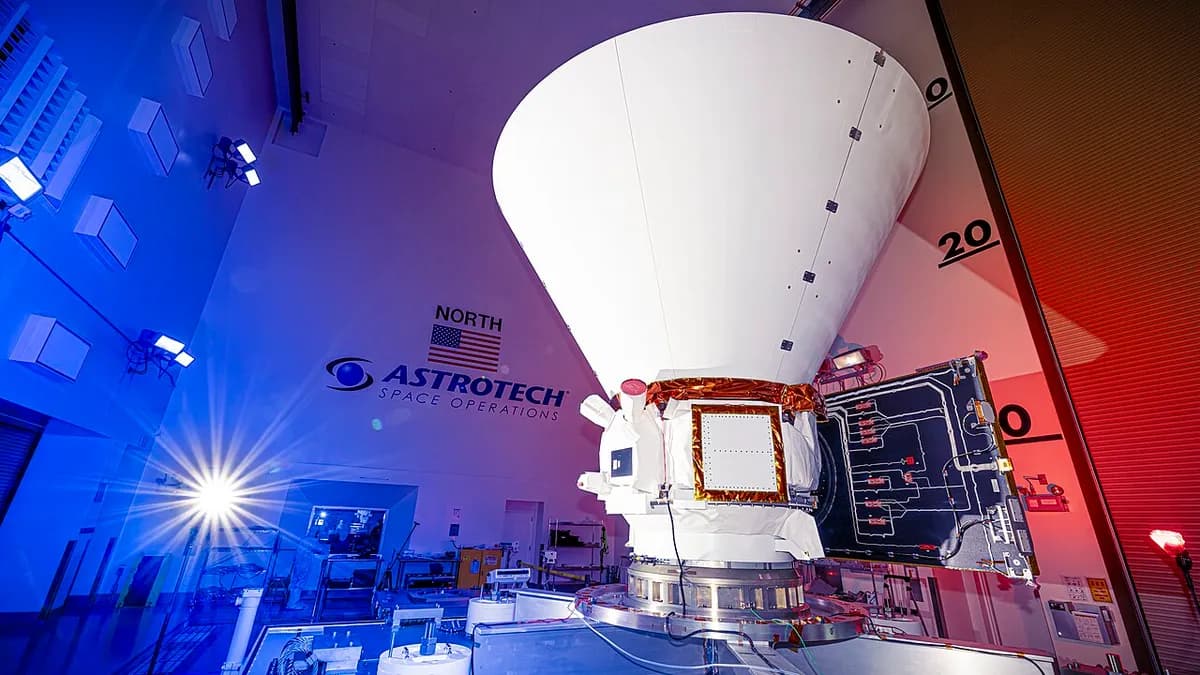
SPHEREx
ActiveNASA · 2025
Low Earth orbit
A NASA mission mapping the entire sky in 102 colours of near-infrared light, to study the origin of the Universe, the history of galaxies and the ices in star-forming clouds.
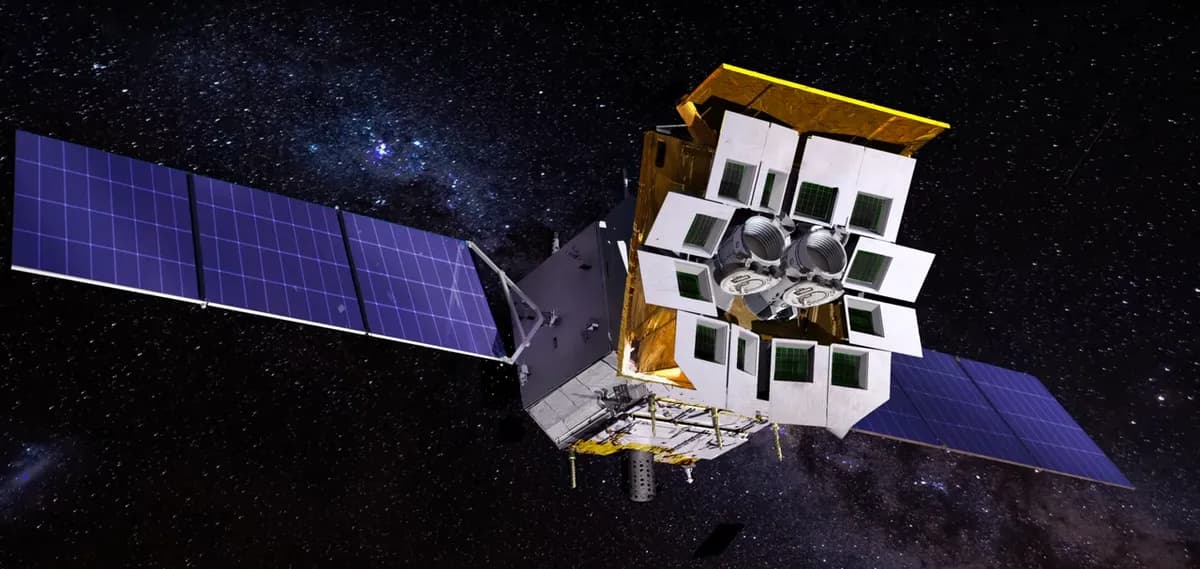
Einstein Probe
ActiveCAS · 2024
Low Earth orbit
A Chinese Academy of Sciences mission, with ESA and German partners, that watches wide areas of the sky for sudden bursts of X-rays from events such as stars torn apart by black holes.
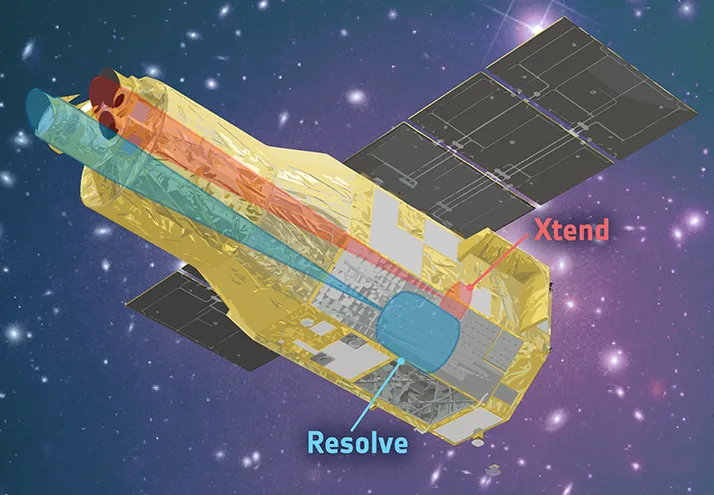
XRISM
ActiveNASA/JAXA · 2023
Low Earth orbit
A JAXA and NASA X-ray observatory that measures the energy of X-rays with great precision, revealing the temperature, composition and motion of hot gas around black holes and in galaxy clusters.
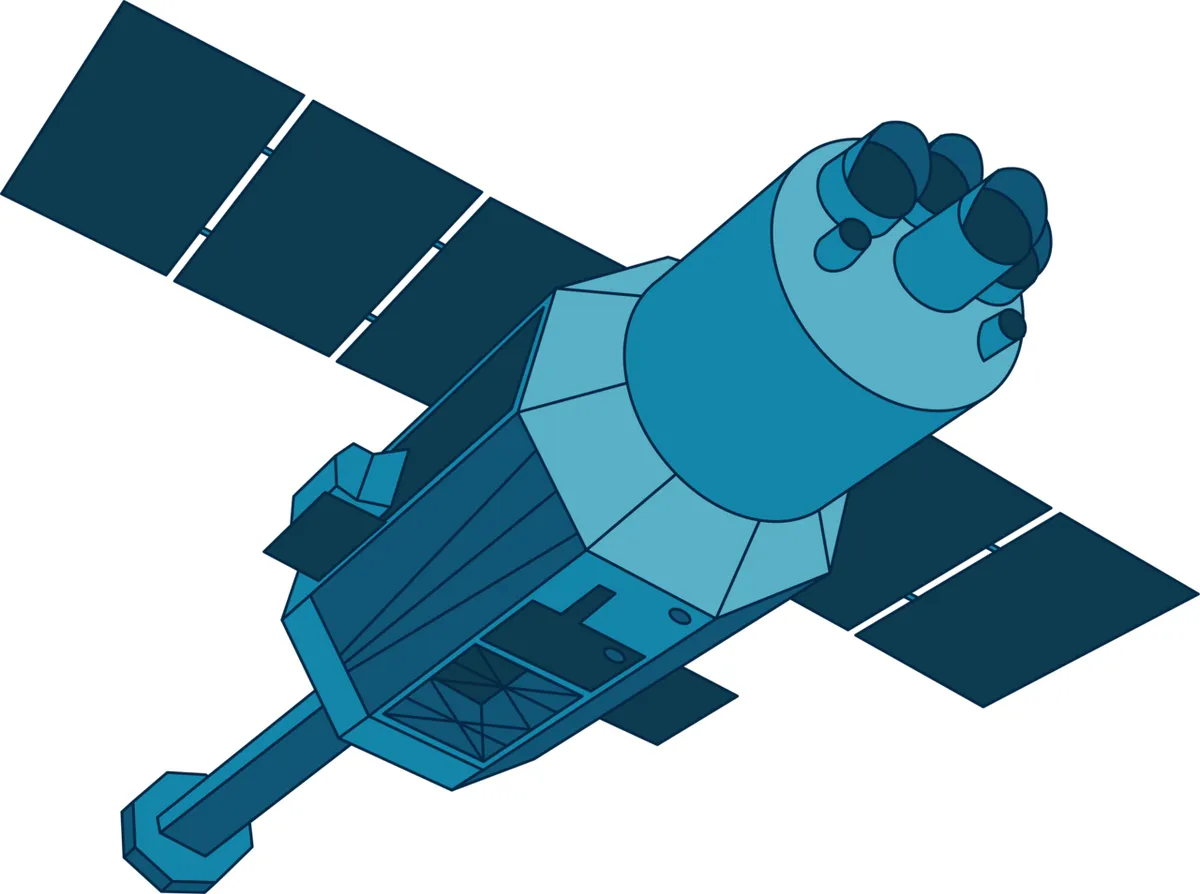
Hitomi
FailedNASA/JAXA · 2016
Low Earth orbit
A JAXA X-ray observatory built with NASA. It broke apart five weeks after launch when a software error set it spinning out of control, but had already measured the motion of hot gas in the Perseus galaxy cluster.
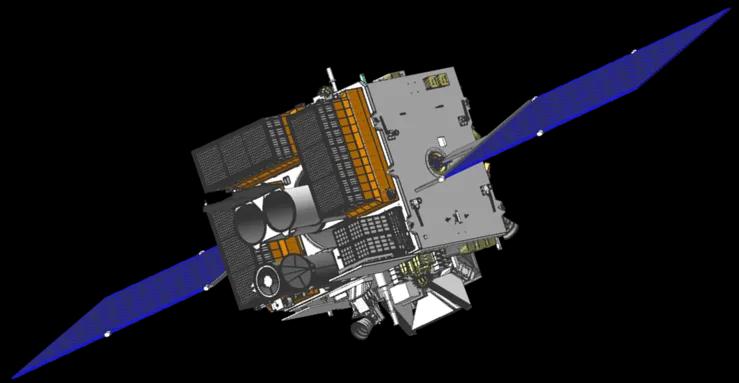
Astrosat
ActiveISRO · 2015
Low Earth orbit
India's first dedicated astronomy satellite, which observes the same target in ultraviolet, visible and X-ray light at the same time.
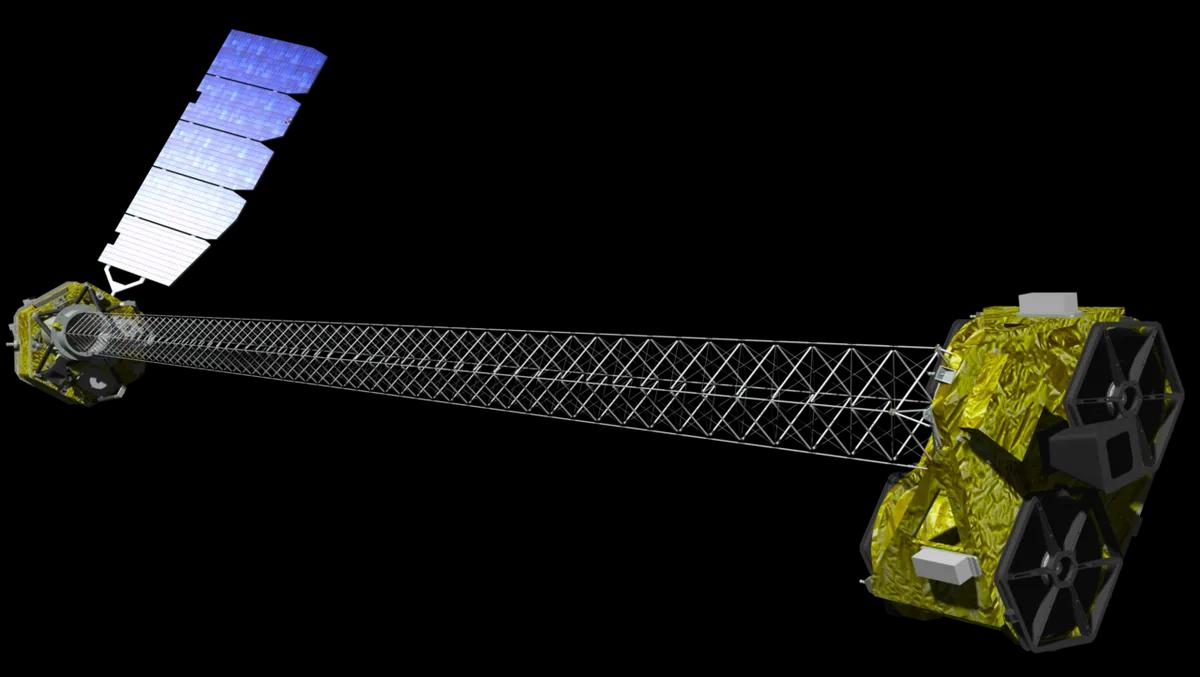
NuSTAR
ActiveNASA · 2012
Low Earth orbit
The first telescope to focus high-energy X-rays, used to study black holes, exploded stars and the hottest regions around them.
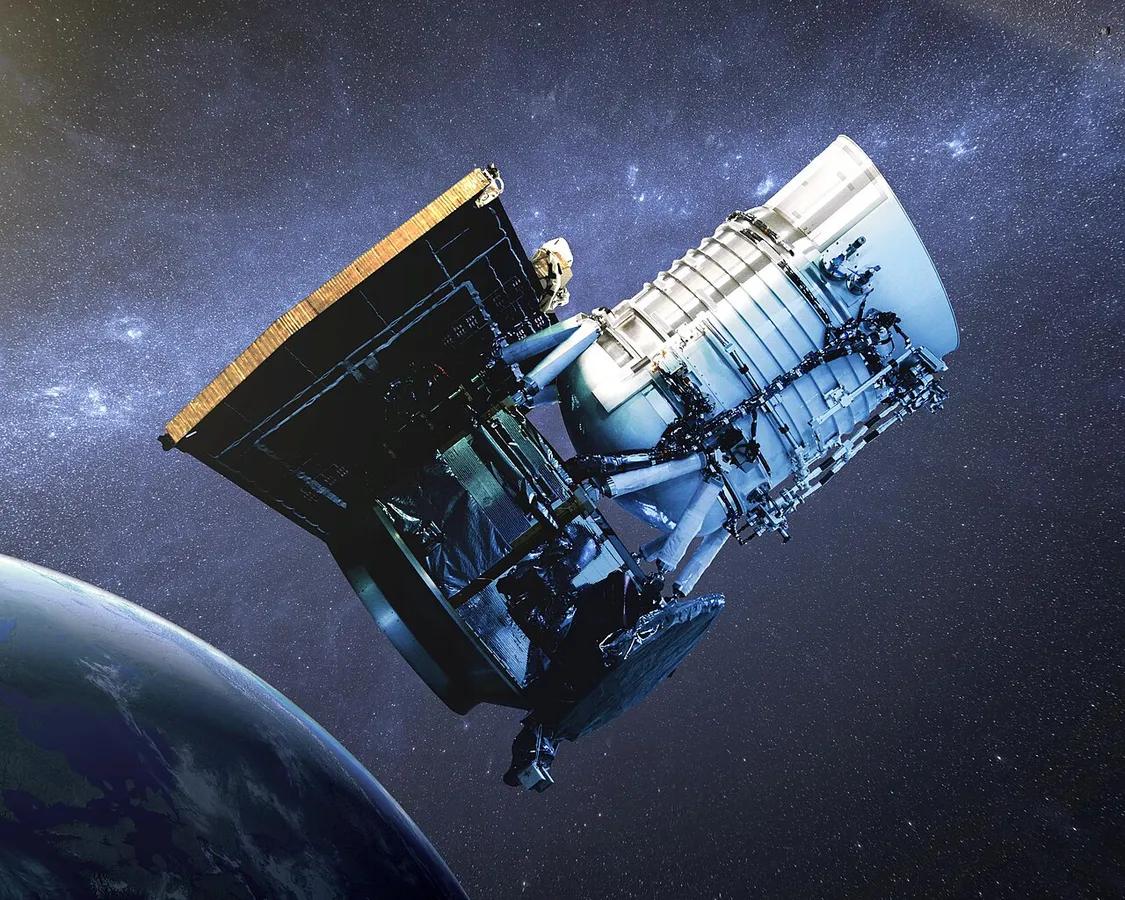
WISE
CompletedNASA · 2009
Low Earth orbit
The Wide-field Infrared Survey Explorer, which surveyed the whole sky in infrared light. After its coolant ran out it was revived as NEOWISE to find and track asteroids and comets near the Earth.
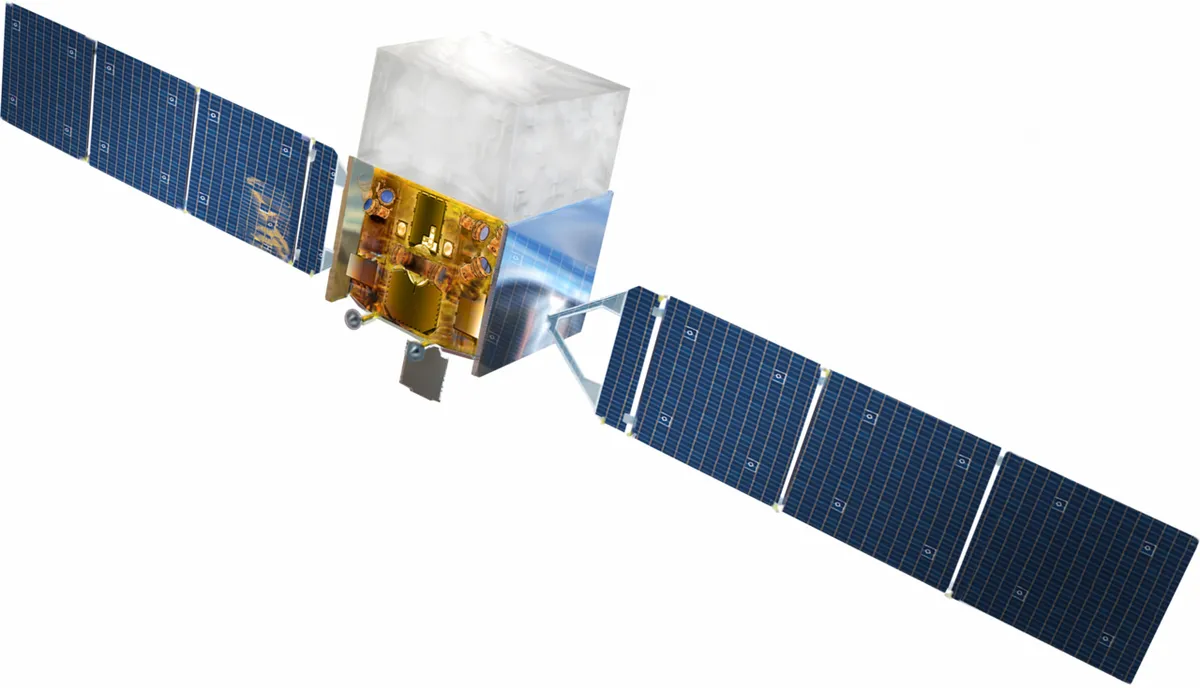
Fermi
ActiveNASA · 2008
Low Earth orbit
A NASA observatory that surveys the whole sky in gamma rays every three hours, studying pulsars, black-hole jets and gamma-ray bursts.
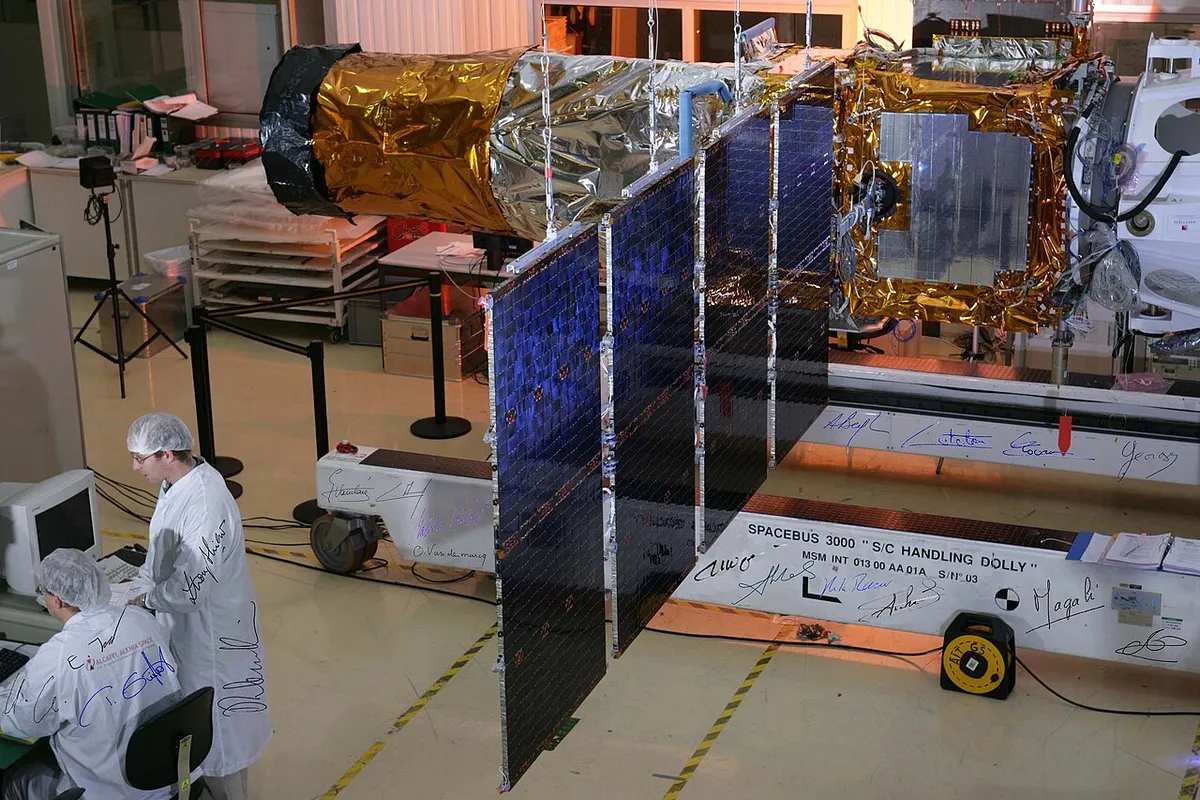
CoRoT
CompletedESA/CNES · 2006
Low Earth orbit
A French-led mission that was the first built to find planets by the dimming of their stars, and that also studied the vibrations of stars to probe their interiors.
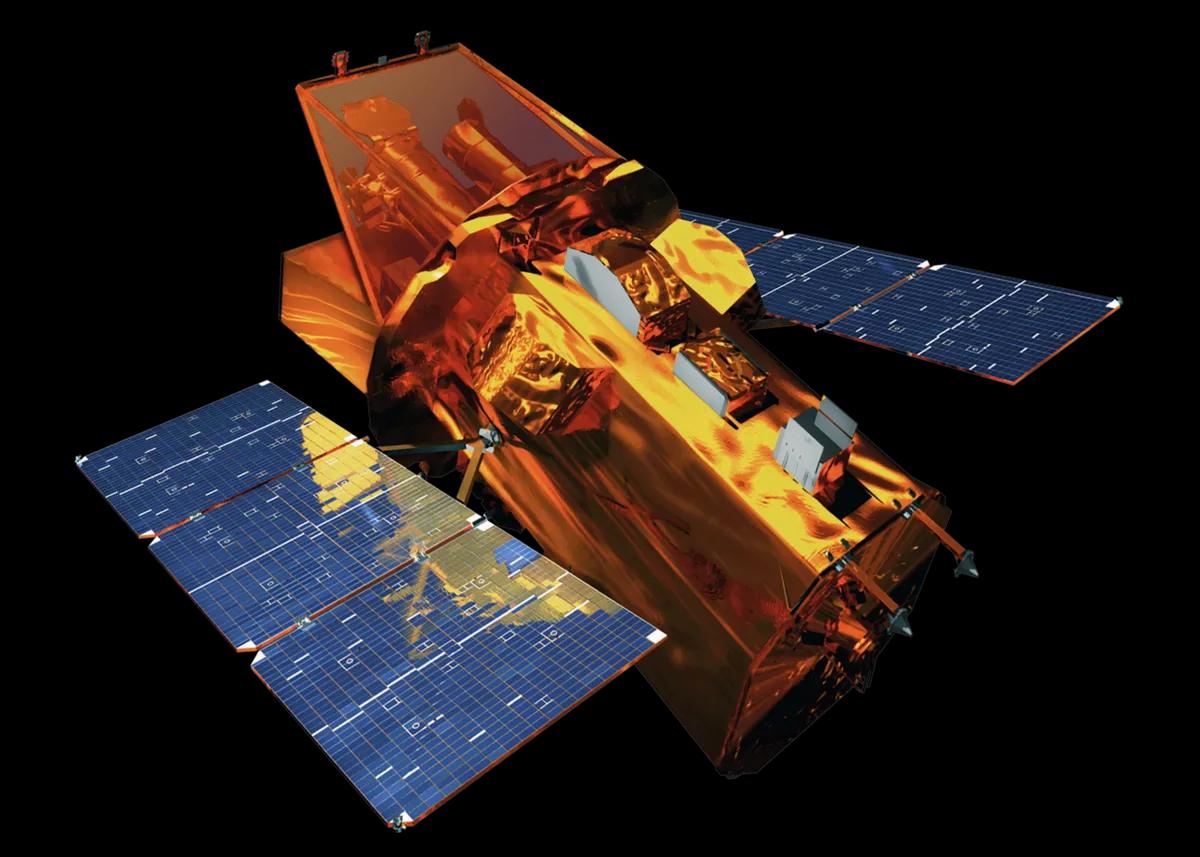
Swift
CompletedNASA · 2004
Low Earth orbit
A NASA observatory that caught gamma-ray bursts and turned within about a minute to observe their afterglows in X-ray, ultraviolet and visible light. Built for a two-year mission, it observed more than 2,000 bursts over nearly 22 years, until atmospheric drag pulled it too low to point steadily.
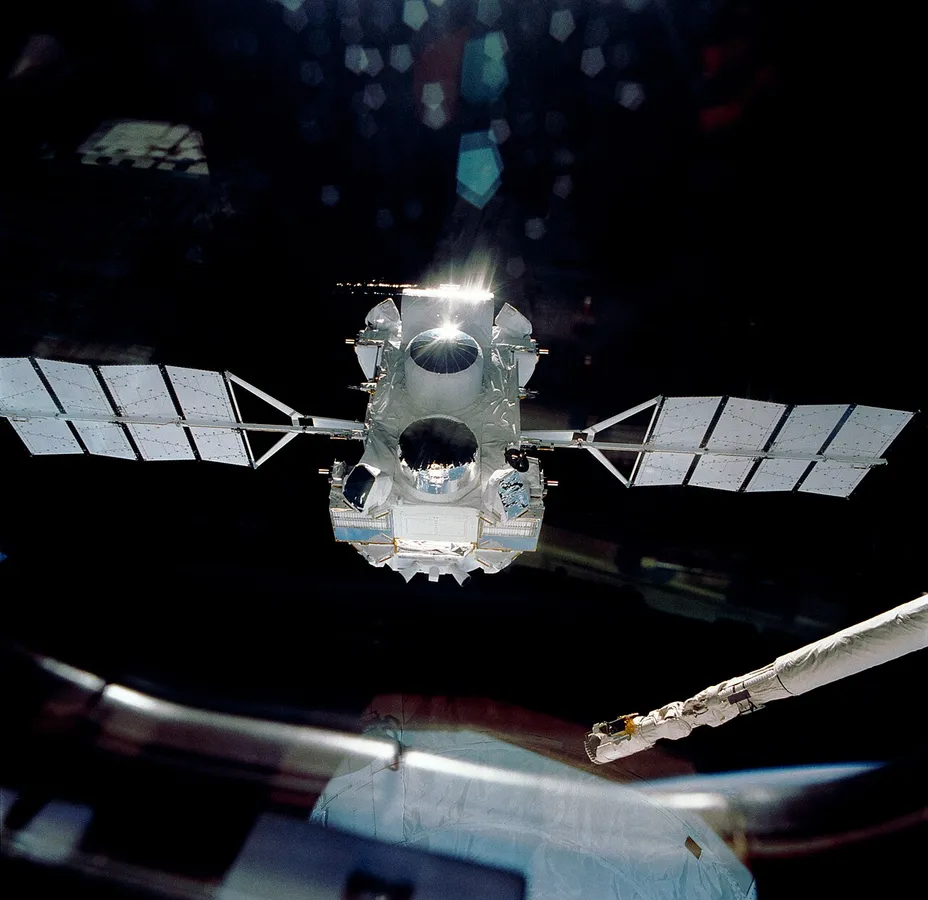
Compton Gamma Ray Observatory
CompletedNASA · 1991
Low Earth orbit
The second of NASA's Great Observatories, which studied the Universe in gamma rays and showed that gamma-ray bursts come from all directions in the sky. At 17 tonnes it was the heaviest astrophysics payload flown at the time.

ROSAT
CompletedNASA/DLR/SERC · 1990
Low Earth orbit
A German-led X-ray observatory, built with the United States and the United Kingdom, that made the first imaging X-ray survey of the whole sky and catalogued more than 150,000 sources.
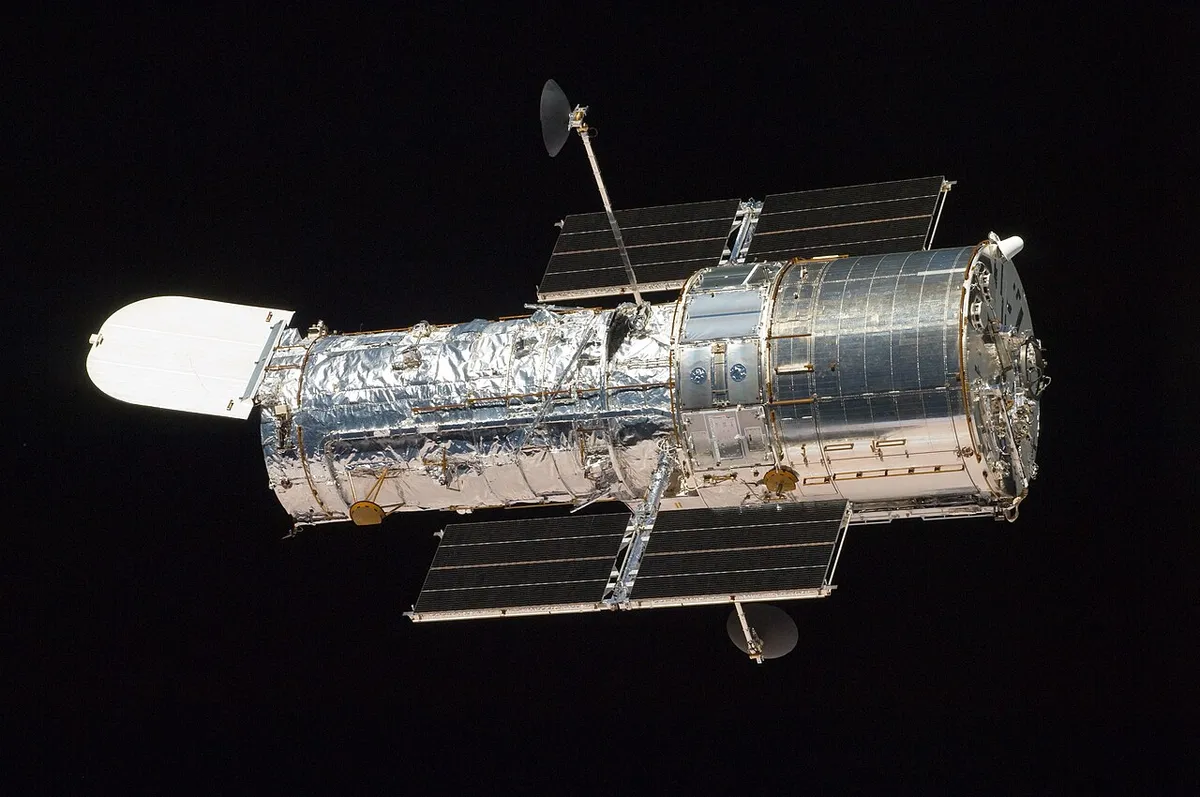
Hubble Space Telescope
ActiveNASA/ESA · 1990
Low Earth orbit
Space telescope capable of observing the universe in ultraviolet, visible, and infrared light.
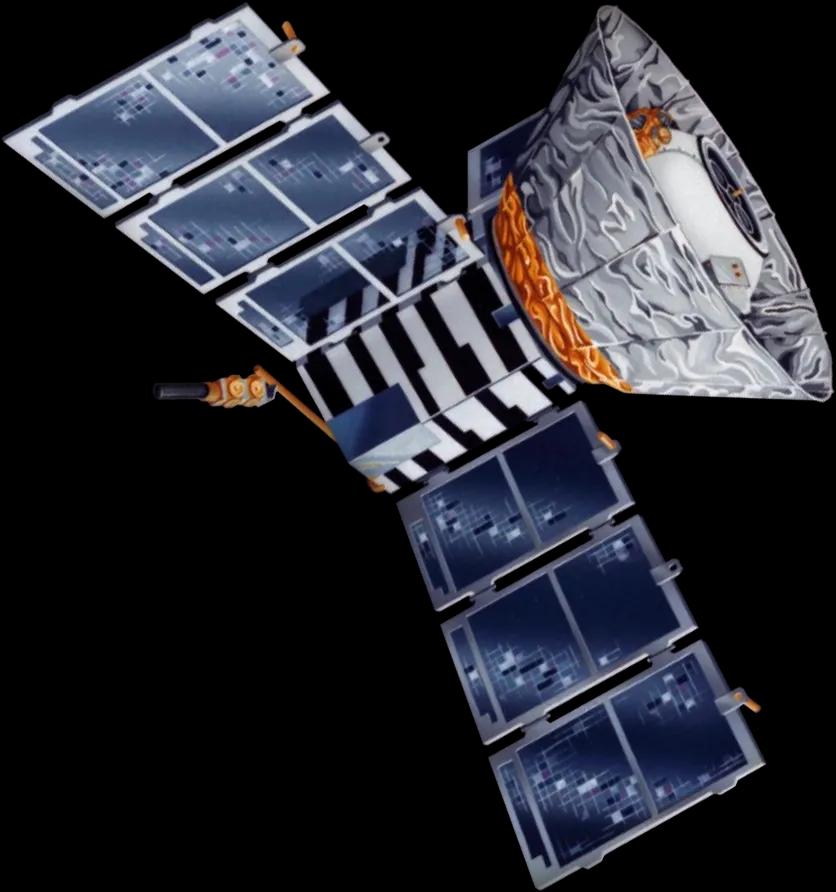
COBE
CompletedNASA · 1989
Low Earth orbit
The Cosmic Background Explorer, which measured the faint glow left over from the Big Bang and showed it has an almost perfect black-body spectrum with tiny temperature variations. The work earned the 2006 Nobel Prize in Physics.
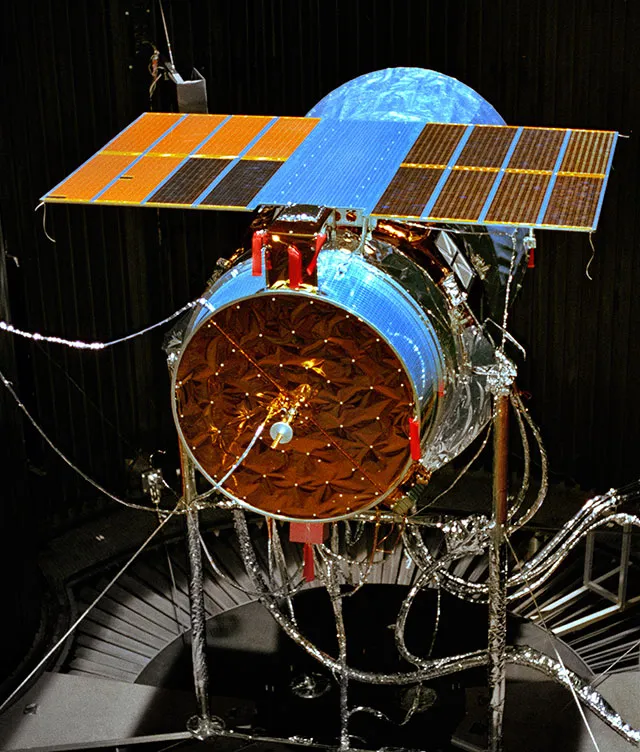
IRAS
CompletedNASA/SERC/NIVR · 1983
Low Earth orbit
The Infrared Astronomical Satellite, the first telescope to survey the whole sky in infrared light, flown jointly by the United States, the Netherlands and the United Kingdom. In ten months it catalogued about 350,000 sources.
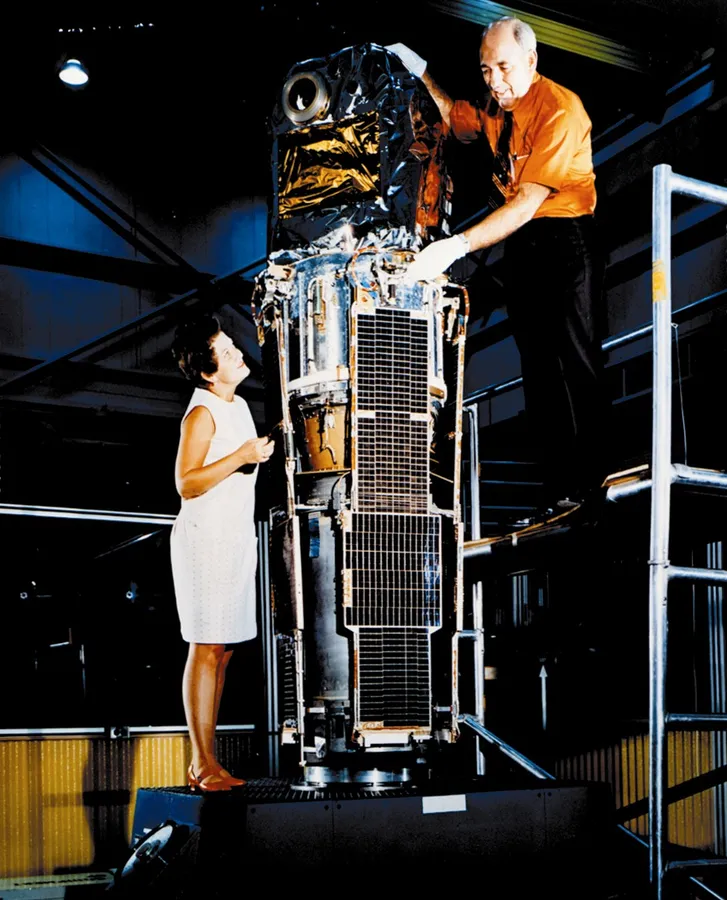
Uhuru
CompletedNASA · 1970
Low Earth orbit
The first satellite built specifically for X-ray astronomy. Launched from a platform off the coast of Kenya, it produced the first full catalogue of X-ray sources in the sky.