Mission Archive
57 missions found · showing 25–48
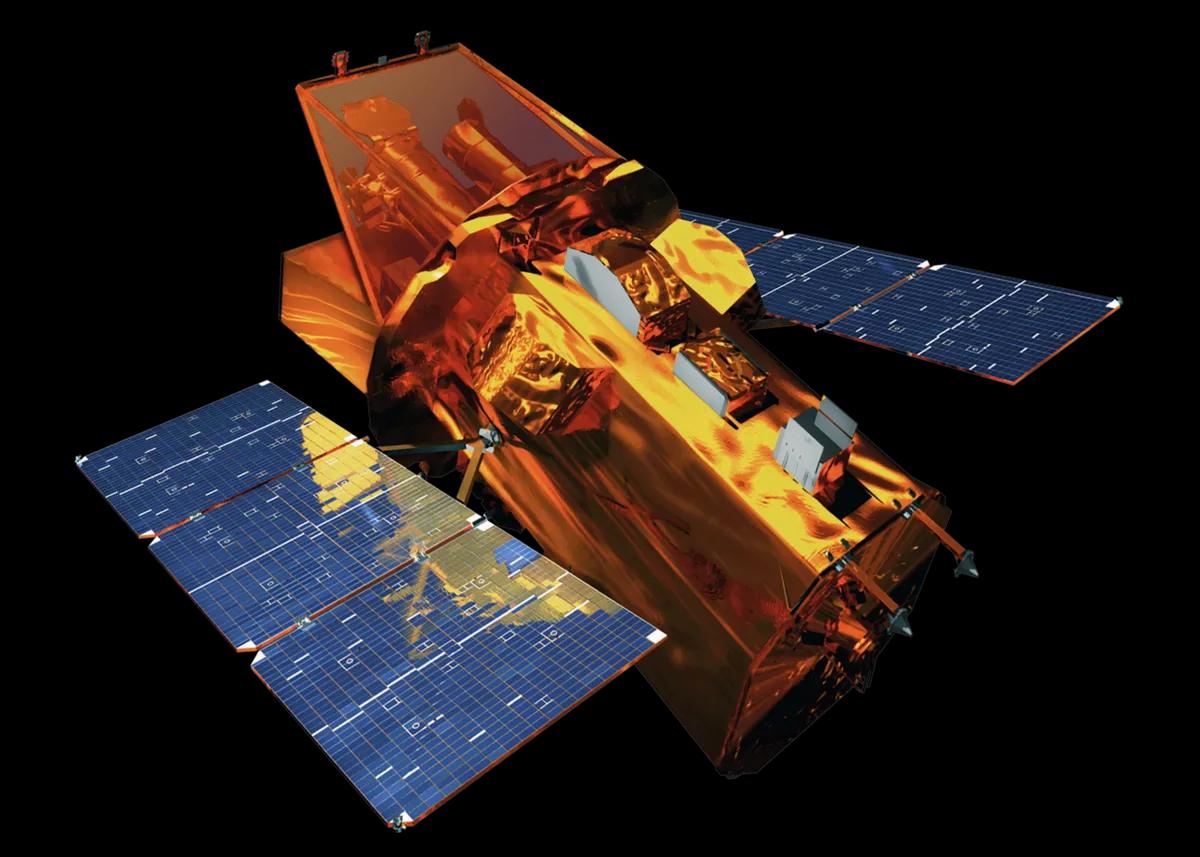
Swift
CompletedNASA · 2004
Low Earth orbit
A NASA observatory that caught gamma-ray bursts and turned within about a minute to observe their afterglows in X-ray, ultraviolet and visible light. Built for a two-year mission, it observed more than 2,000 bursts over nearly 22 years, until atmospheric drag pulled it too low to point steadily.
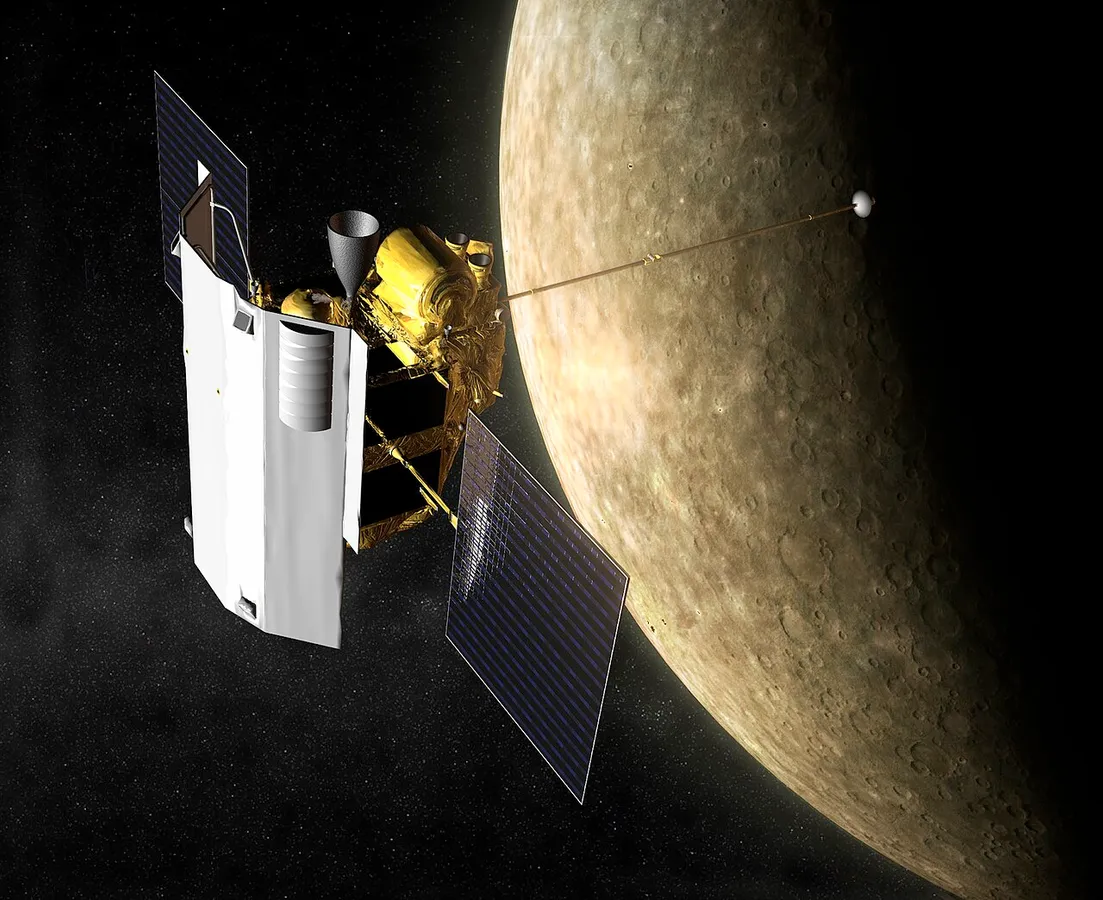
MESSENGER
CompletedNASA · 2004
Mercury
The first spacecraft to orbit Mercury. Over four years it mapped the whole planet and found water ice in permanently shadowed craters near the poles.
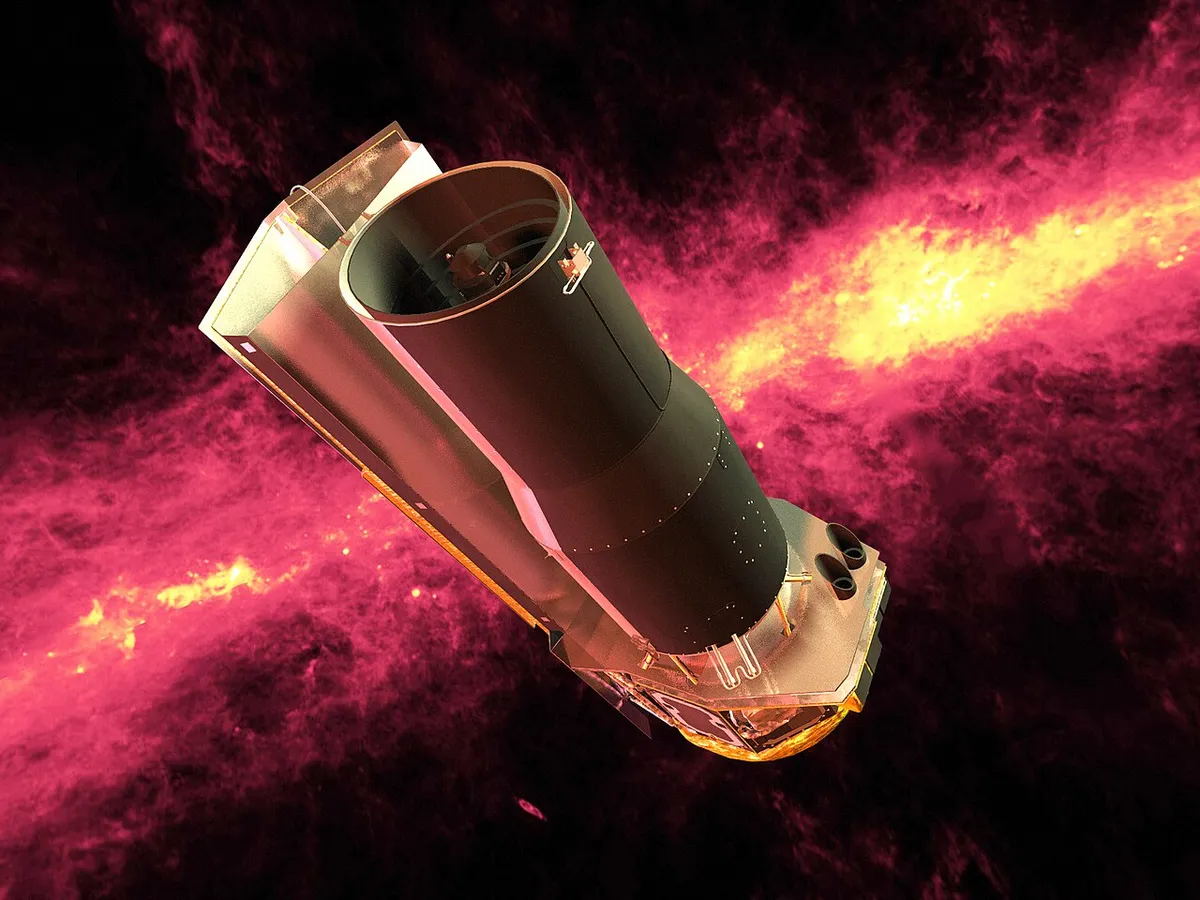
Spitzer
CompletedNASA · 2003
Heliocentric orbit
The last of NASA's Great Observatories, an infrared telescope that trailed the Earth around the Sun for 16 years. It studied young stars, distant galaxies and exoplanets, including the seven Earth-sized planets of TRAPPIST-1.
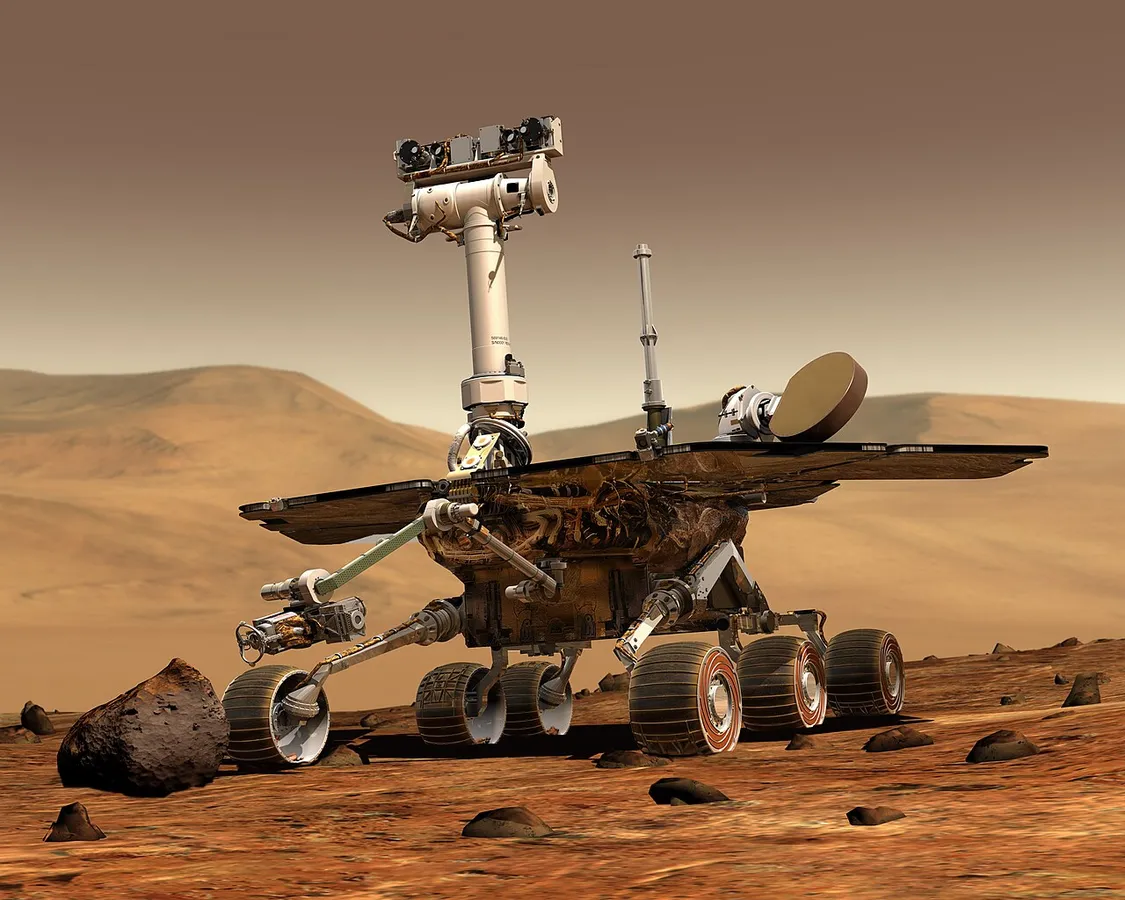
Opportunity
CompletedNASA · 2003
Mars
One of NASA's twin Mars Exploration Rovers, built to last 90 days. It drove more than 45 km across Meridiani Planum over 14 years and found minerals that form in water.
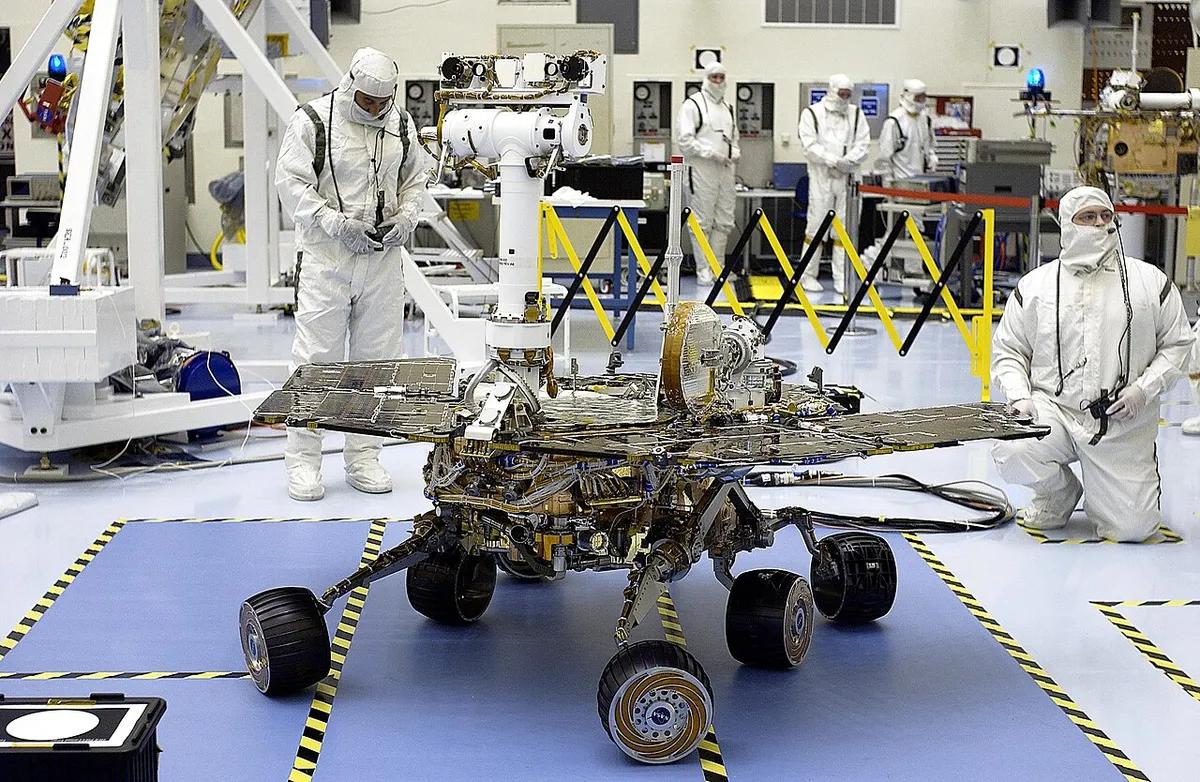
Spirit
CompletedNASA · 2003
Mars
One of NASA's twin Mars Exploration Rovers, which explored Gusev crater for more than six years and found evidence that hot water once flowed there.
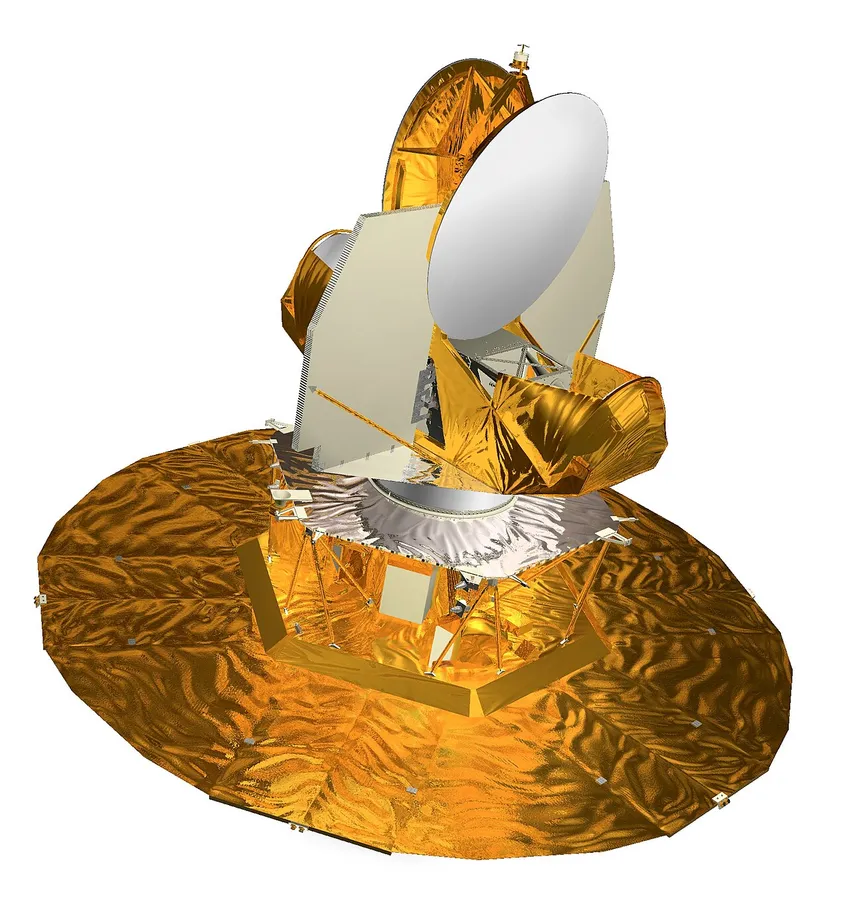
WMAP
CompletedNASA · 2001
Sun–Earth L2
The Wilkinson Microwave Anisotropy Probe, which mapped the cosmic microwave background from the Sun–Earth L2 point. It fixed the age of the Universe at about 13.8 billion years and measured its mix of ordinary matter, dark matter and dark energy.
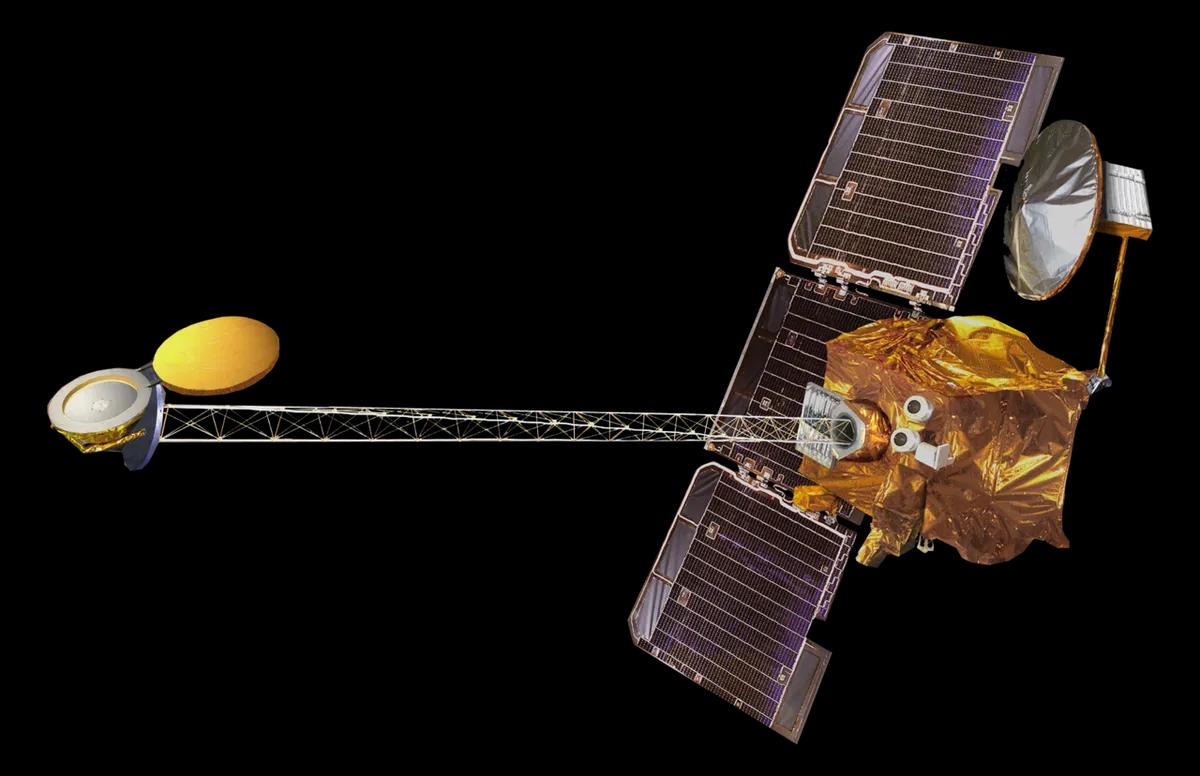
2001 Mars Odyssey
ActiveNASA · 2001
Mars
NASA's longest-serving Mars orbiter, which mapped the planet's surface chemistry, found vast deposits of buried water ice and has relayed data for every rover since Spirit.
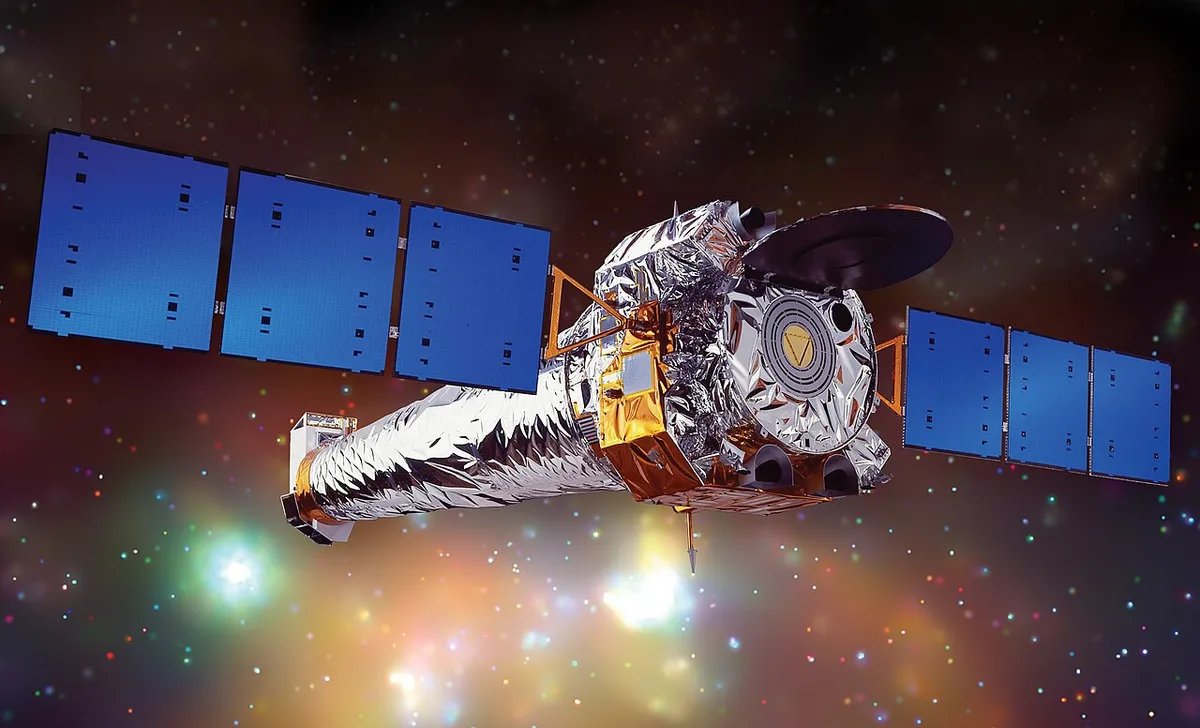
Chandra
ActiveNASA · 1999
High Earth orbit
The third of NASA's Great Observatories, an X-ray telescope with the sharpest vision of any yet flown. It studies black holes, supernova remnants and the hot gas in galaxy clusters.
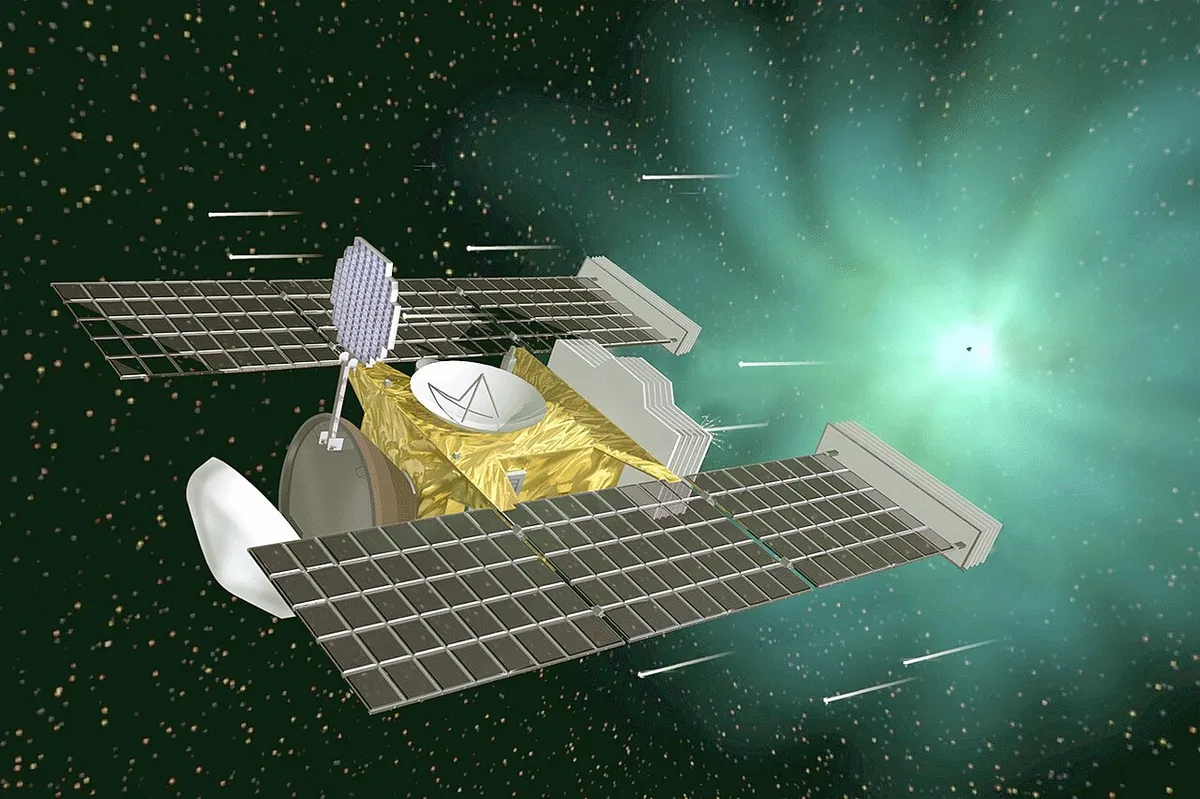
Stardust
CompletedNASA · 1999
Wild 2, Tempel 1
The first mission to bring back samples from a comet, catching dust from comet Wild 2 in aerogel and returning it to Earth in 2006. The spacecraft then flew on to visit comet Tempel 1.
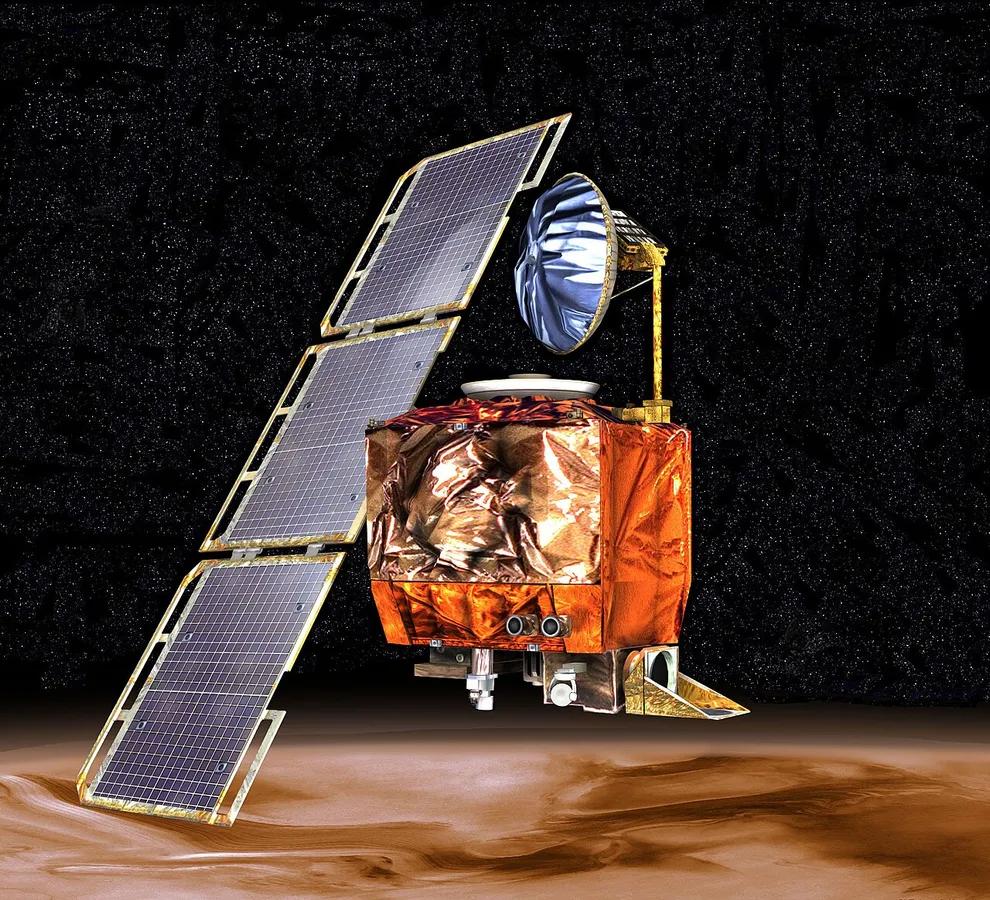
Mars Climate Orbiter
FailedNASA · 1998
Mars
A NASA orbiter intended to study the Martian climate and relay data for Mars Polar Lander. It was lost on arrival when it passed too close to the planet, after thruster data was supplied in imperial units where metric was expected.
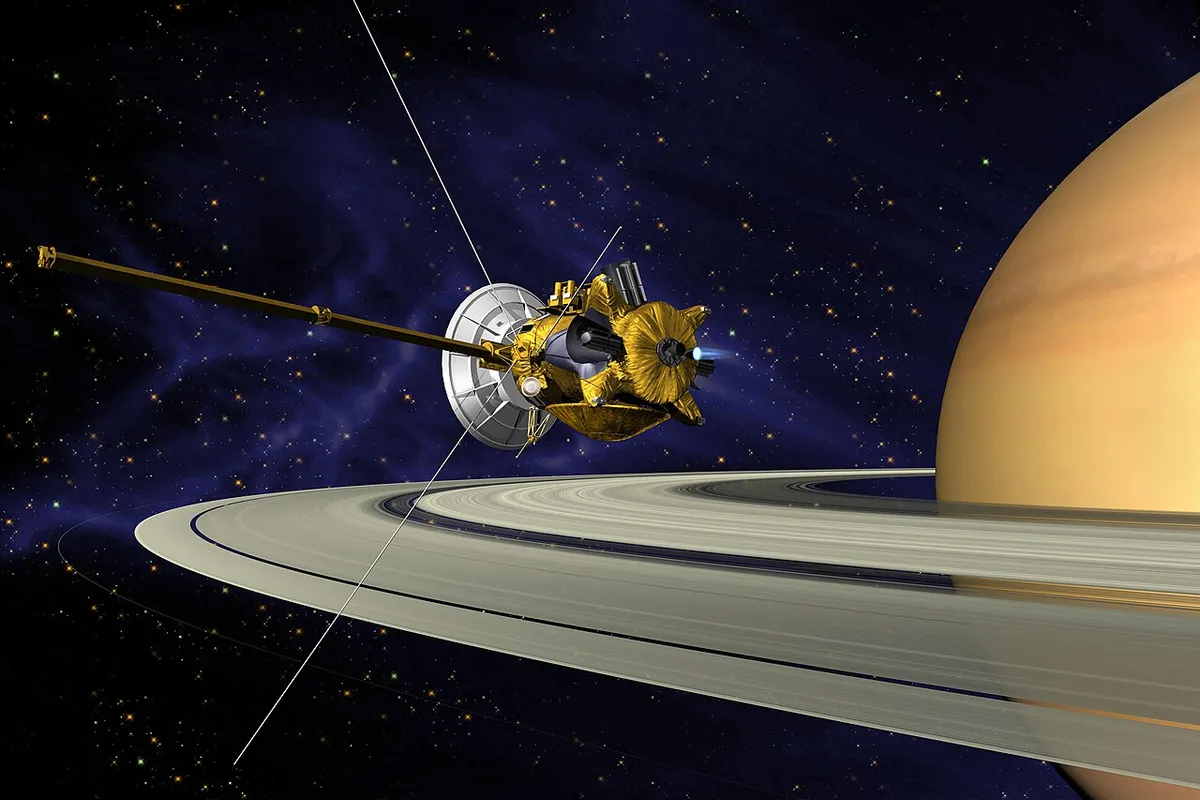
Cassini–Huygens
CompletedNASA/ESA/ASI · 1997
Jupiter, Saturn, Titan
A joint NASA, ESA and Italian Space Agency mission that orbited Saturn for 13 years and landed the Huygens probe on Titan. It ended with a planned dive into Saturn's atmosphere.
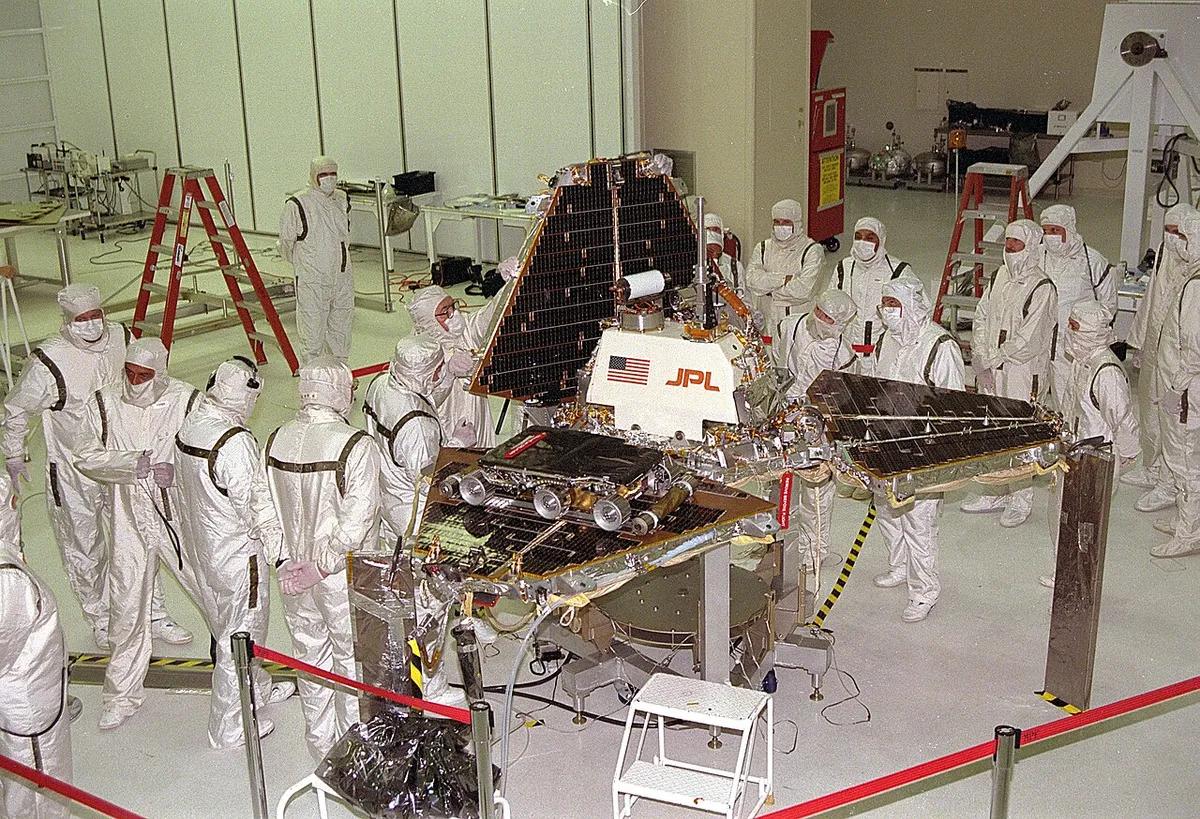
Mars Pathfinder
CompletedNASA · 1996
Mars
A NASA technology demonstration that landed on Mars cushioned by airbags and delivered Sojourner, the first rover to operate on another planet.
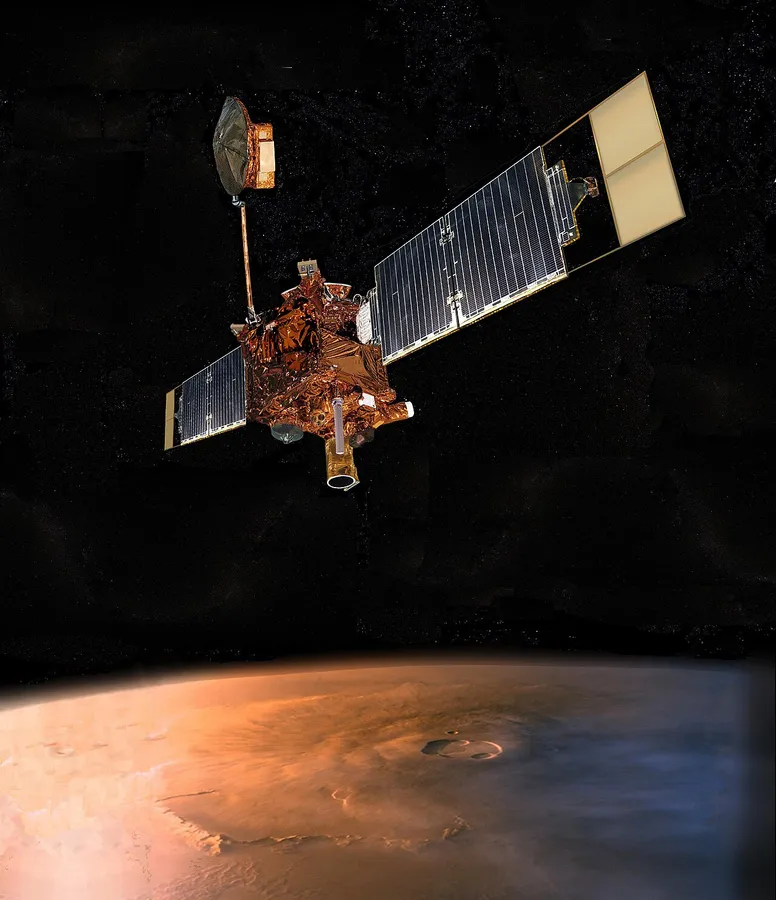
Mars Global Surveyor
CompletedNASA · 1996
Mars
A NASA orbiter that mapped Mars for nine years, charting its topography and magnetic field and finding gullies that suggested recent liquid water.
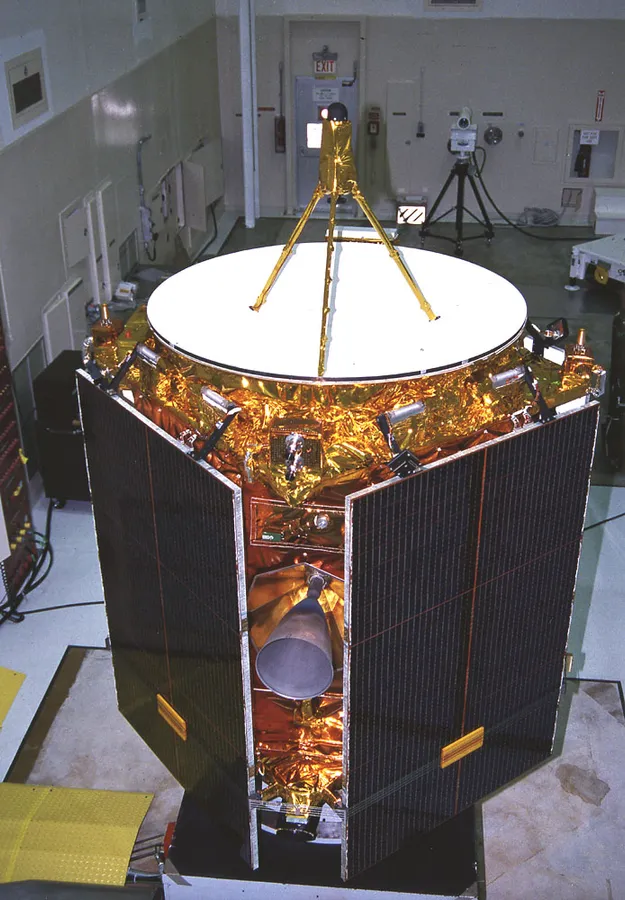
NEAR Shoemaker
CompletedNASA · 1996
Eros, Mathilde
The first spacecraft to orbit an asteroid and the first to land on one, settling onto Eros in 2001 after a year in orbit around it. On the way it flew past the asteroid Mathilde.
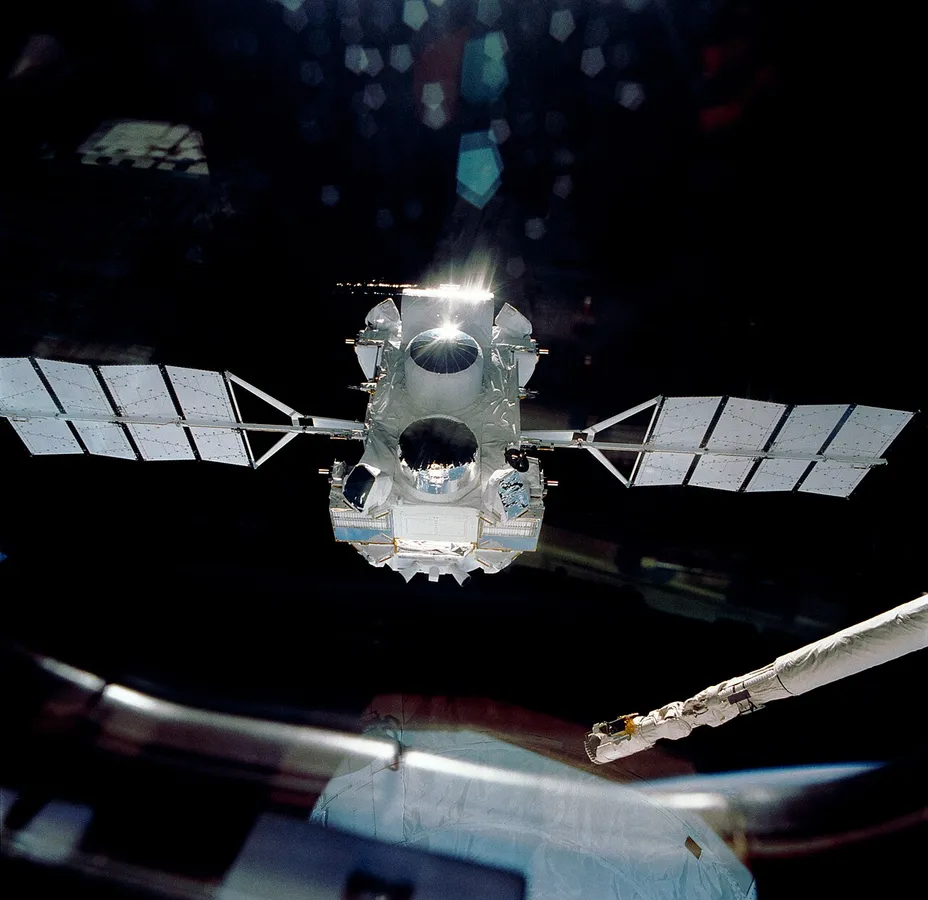
Compton Gamma Ray Observatory
CompletedNASA · 1991
Low Earth orbit
The second of NASA's Great Observatories, which studied the Universe in gamma rays and showed that gamma-ray bursts come from all directions in the sky. At 17 tonnes it was the heaviest astrophysics payload flown at the time.

ROSAT
CompletedNASA/DLR/SERC · 1990
Low Earth orbit
A German-led X-ray observatory, built with the United States and the United Kingdom, that made the first imaging X-ray survey of the whole sky and catalogued more than 150,000 sources.
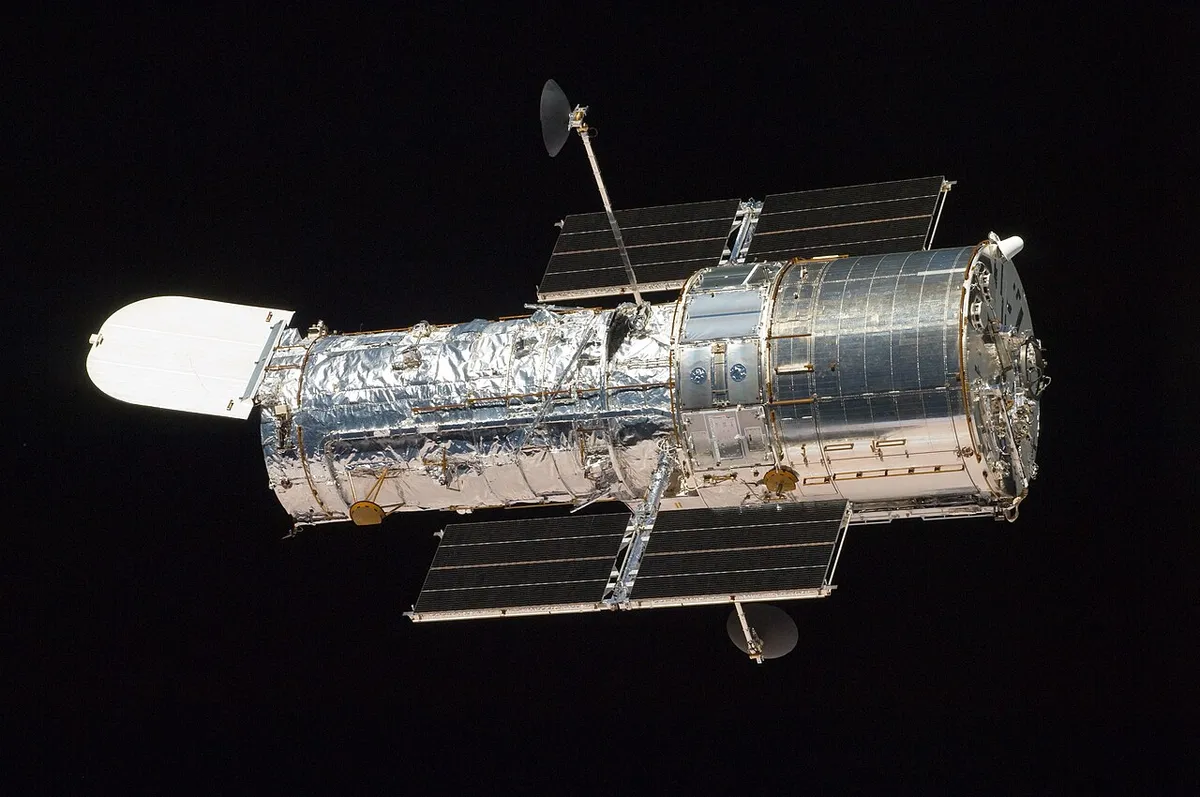
Hubble Space Telescope
ActiveNASA/ESA · 1990
Low Earth orbit
Space telescope capable of observing the universe in ultraviolet, visible, and infrared light.
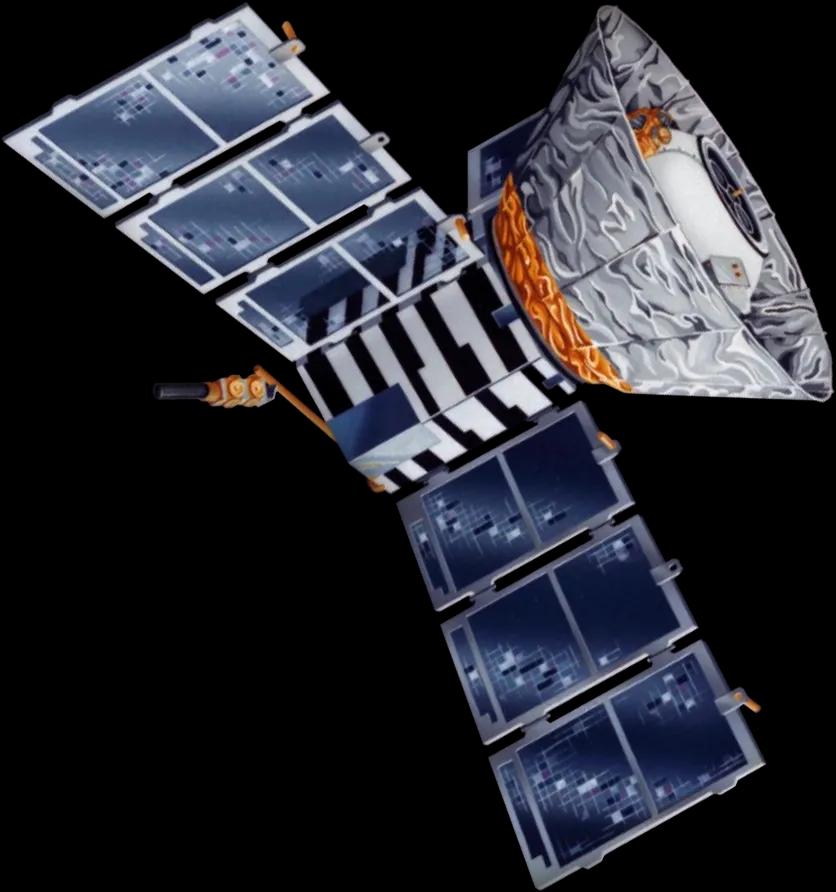
COBE
CompletedNASA · 1989
Low Earth orbit
The Cosmic Background Explorer, which measured the faint glow left over from the Big Bang and showed it has an almost perfect black-body spectrum with tiny temperature variations. The work earned the 2006 Nobel Prize in Physics.
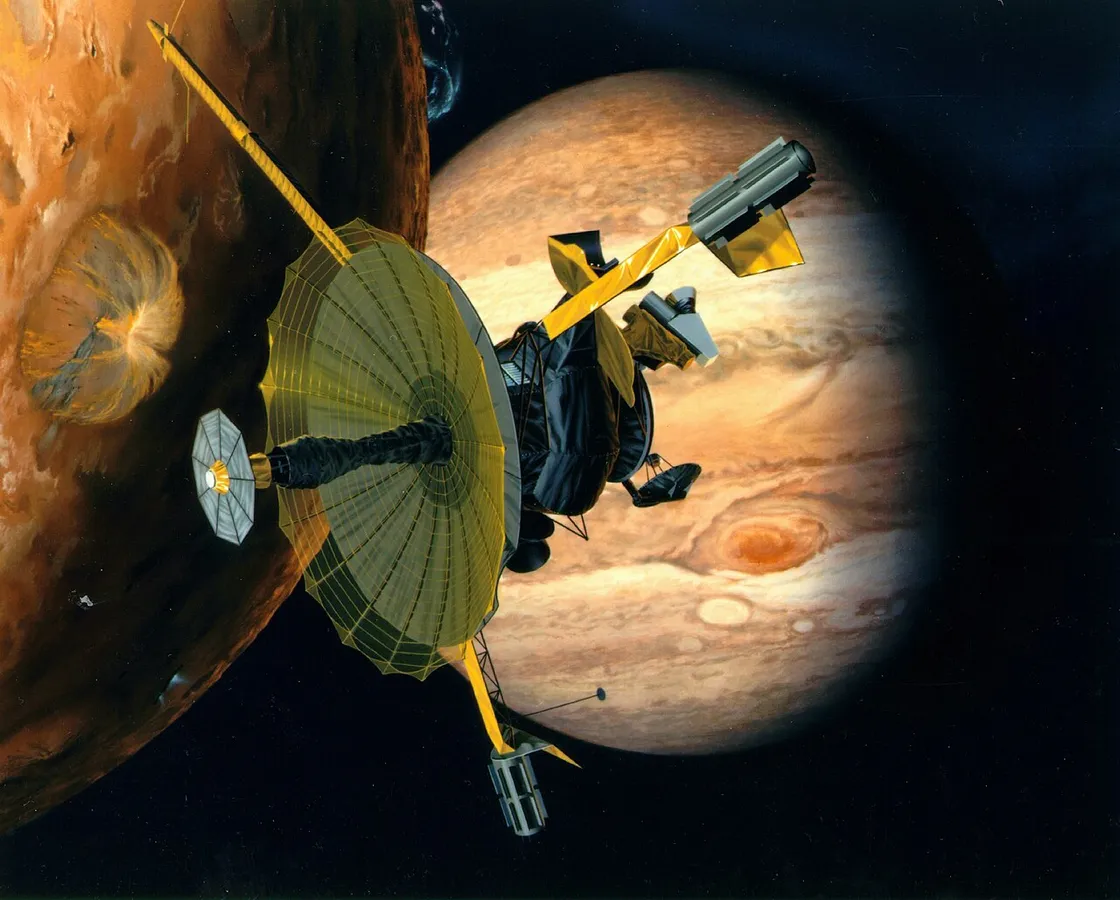
Galileo
CompletedNASA · 1989
Jupiter, Gaspra, Ida
The first spacecraft to orbit Jupiter, studying the planet and its moons for eight years and finding evidence of an ocean beneath Europa's ice. On the way it made the first flyby of an asteroid.
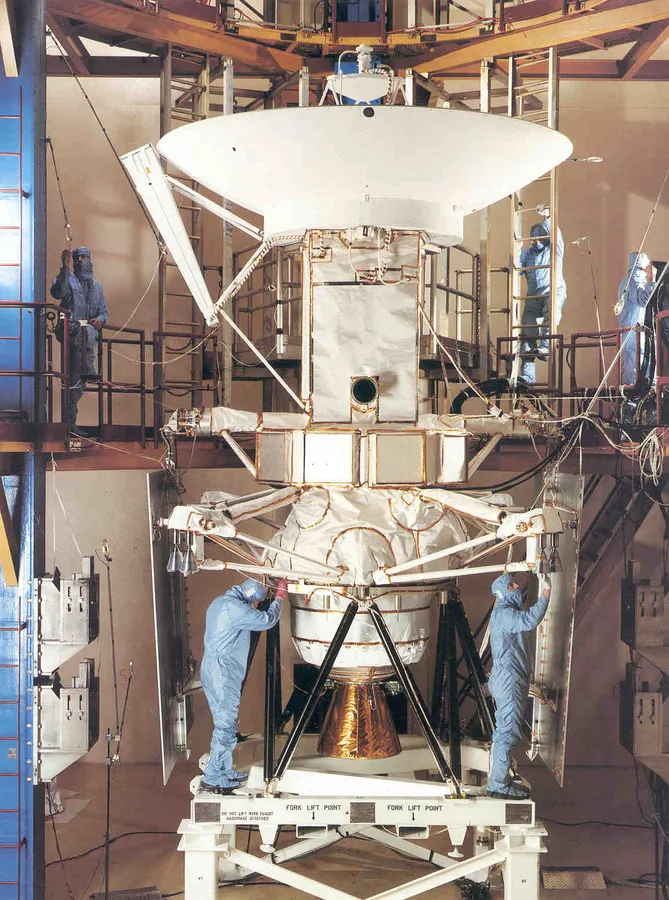
Magellan
CompletedNASA · 1989
Venus
A NASA orbiter that used radar to see through Venus's clouds, mapping 98% of the surface in detail.
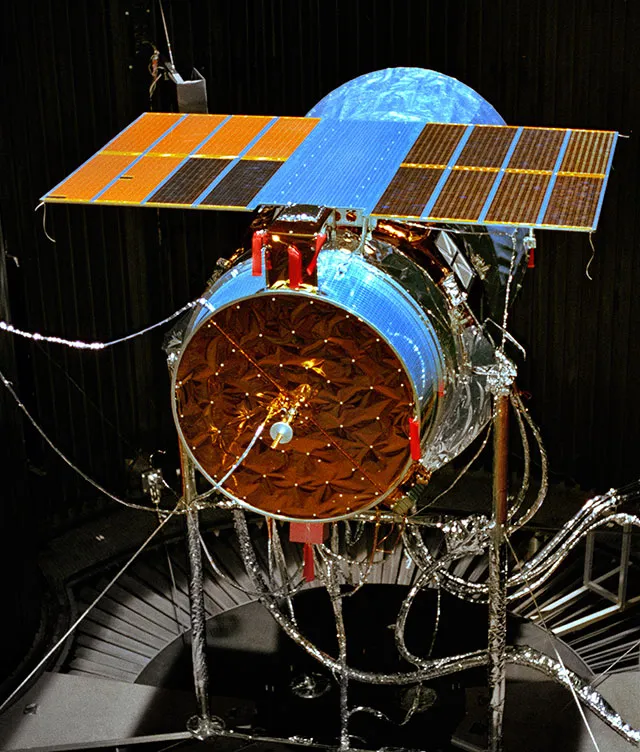
IRAS
CompletedNASA/SERC/NIVR · 1983
Low Earth orbit
The Infrared Astronomical Satellite, the first telescope to survey the whole sky in infrared light, flown jointly by the United States, the Netherlands and the United Kingdom. In ten months it catalogued about 350,000 sources.
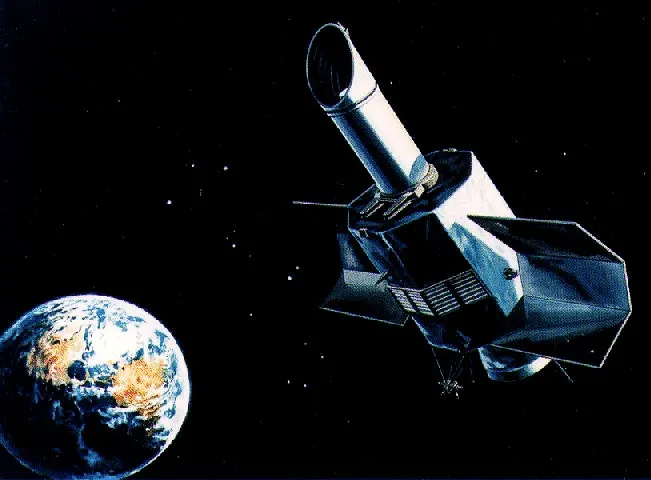
IUE
CompletedNASA/ESA/SERC · 1978
High Earth orbit
The International Ultraviolet Explorer, run jointly by NASA, ESA and the United Kingdom. Planned for three years, it worked for nearly nineteen and was the first space telescope astronomers could operate in real time.
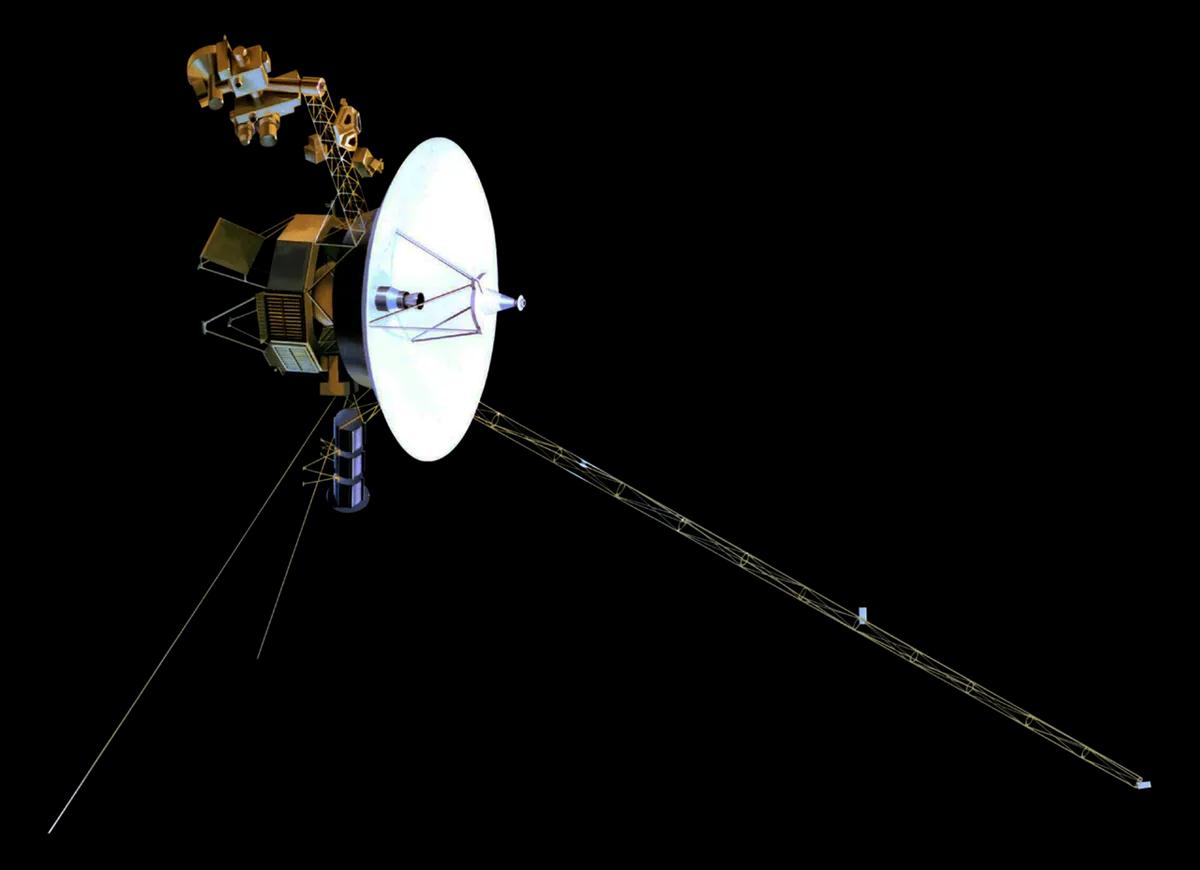
Voyager 1
ActiveNASA · 1977
Jupiter, Saturn, Interstellar space
A spacecraft that performed flybys of Jupiter, Saturn, and Saturn's moon Titan. Currently exploring interstellar space.
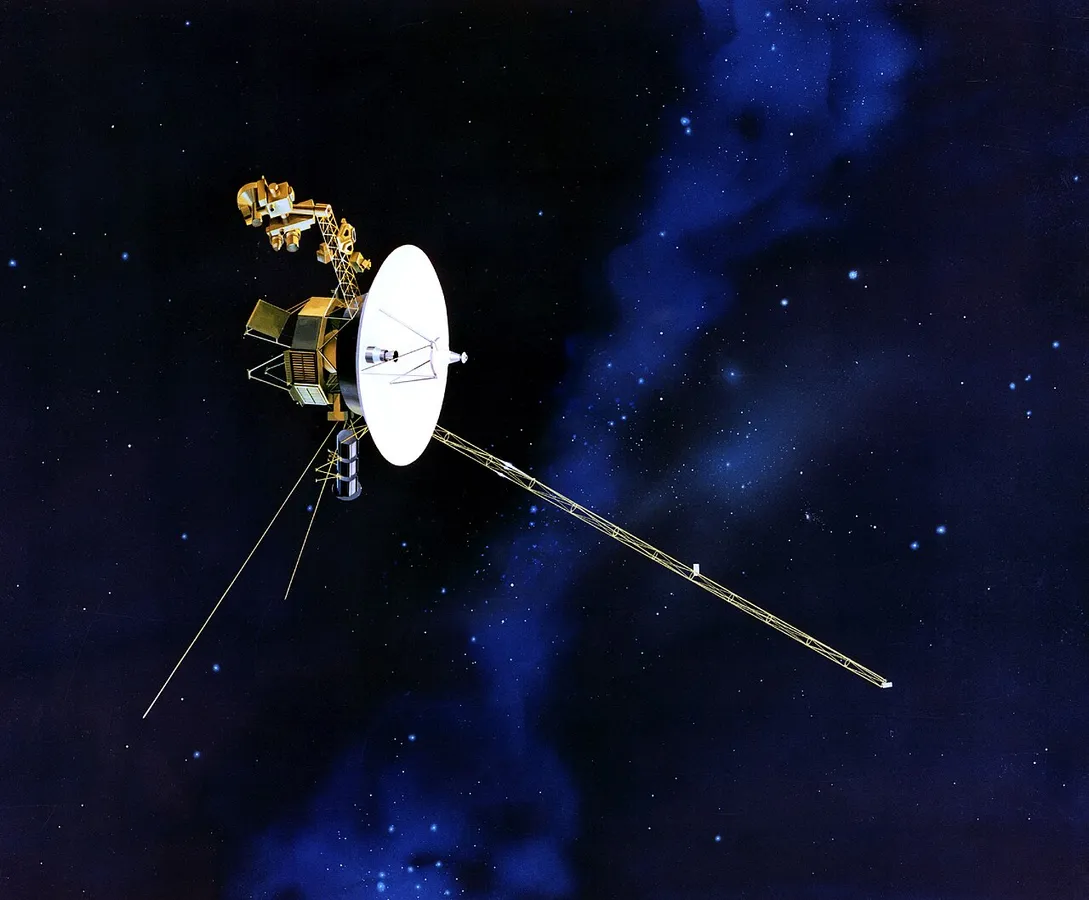
Voyager 2
ActiveNASA · 1977
Jupiter, Saturn, Uranus, Neptune, Interstellar space
A spacecraft that performed flybys of Jupiter, Saturn, Uranus, and Neptune. Currently exploring interstellar space.